


Most Shopify dropshipping operators share a common strategic flaw: overemphasizing front-end traffic acquisition while ignoring post-purchase experience optimization. Countless merchants invest the majority of resources in ad testing, creative iteration and trending product sourcing, regarding paid-order conversion as valid business growth. This traffic-dependent model generates transaction volume yet fails to build durable business value.
Long-term industry observation reveals a critical problem within this operating model: most customers remain one-time buyers. Store revenue fluctuates with ad performance and rising customer acquisition costs, forcing merchants to continuously chase new products and traffic sources and eventually fall into homogeneous industry competition.
Many stores in the market follow this same operating model. They quickly generate sales volume with trending products and paid advertising. Although short-term order numbers look impressive, they fail to build their own customer base. All orders originate from paid ads, with no customers returning voluntarily out of recognition of the store.
This reflects a widespread misunderstanding in dropshipping: confusing single transaction completion with sustainable business operation. One-time checkout represents only a closed deal; repeated customer purchases validate genuine business sustainability.
Repeat purchase is never driven by superficial coupon incentives or email retargeting. It is determined by the full-cycle shopping experience, including consistent product quality, standardized delivery presentation and professional after-sales resolution. Any broken link in the customer journey eliminates repurchase intention, regardless of promotional strategies.
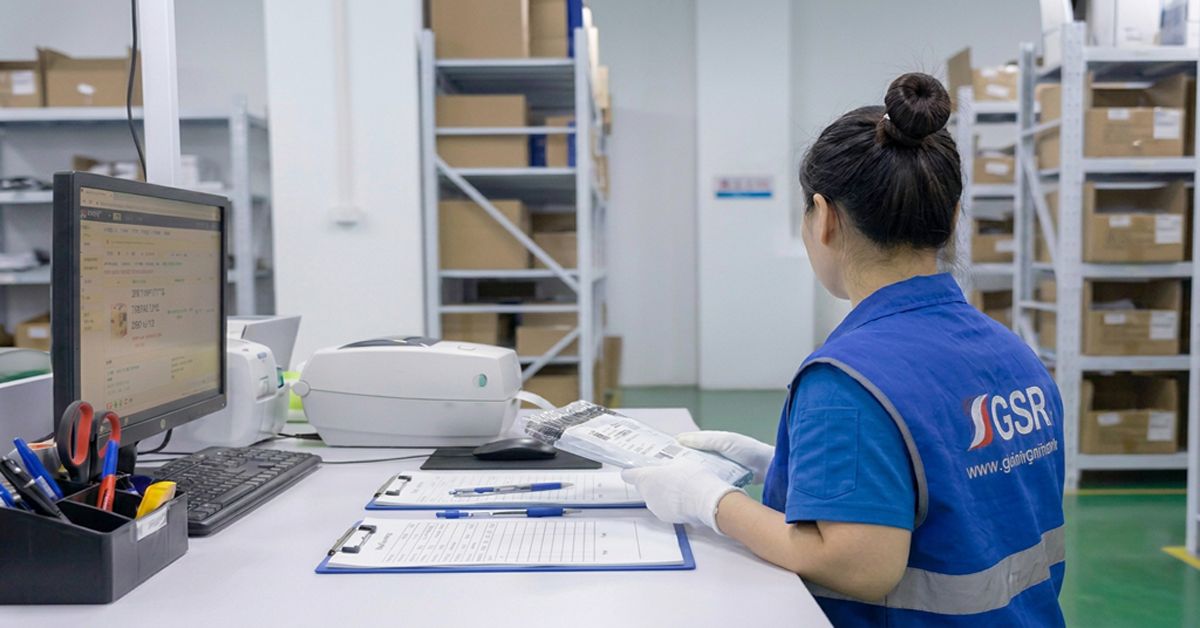
Under the dropshipping model, merchants do not participate directly in warehousing and shipment procedures, making backend quality control the most challenging yet decisive part of customer retention. GSR’s core service value lies in standardizing decentralized fulfillment links and stabilizing end-to-end customer experience for independent store sellers.
Product Consistency: The Foundation of Repurchase Loyalty
Most merchants prioritize retargeting campaigns and membership incentives for repeat sales, overlooking that product quality serves as the fundamental pillar of customer loyalty. Disparities between online presentation and physical goods, inconsistent batch quality and exaggerated listing descriptions create post-purchase disappointment that no marketing tactic can remedy.
The biggest drawback of traditional dropshipping is uncontrollable batch quality fluctuations. Without uniform pre-shipment inspection, identical SKUs may deliver inconsistent tactile and functional experiences, directly undermining user trust and repurchase willingness.
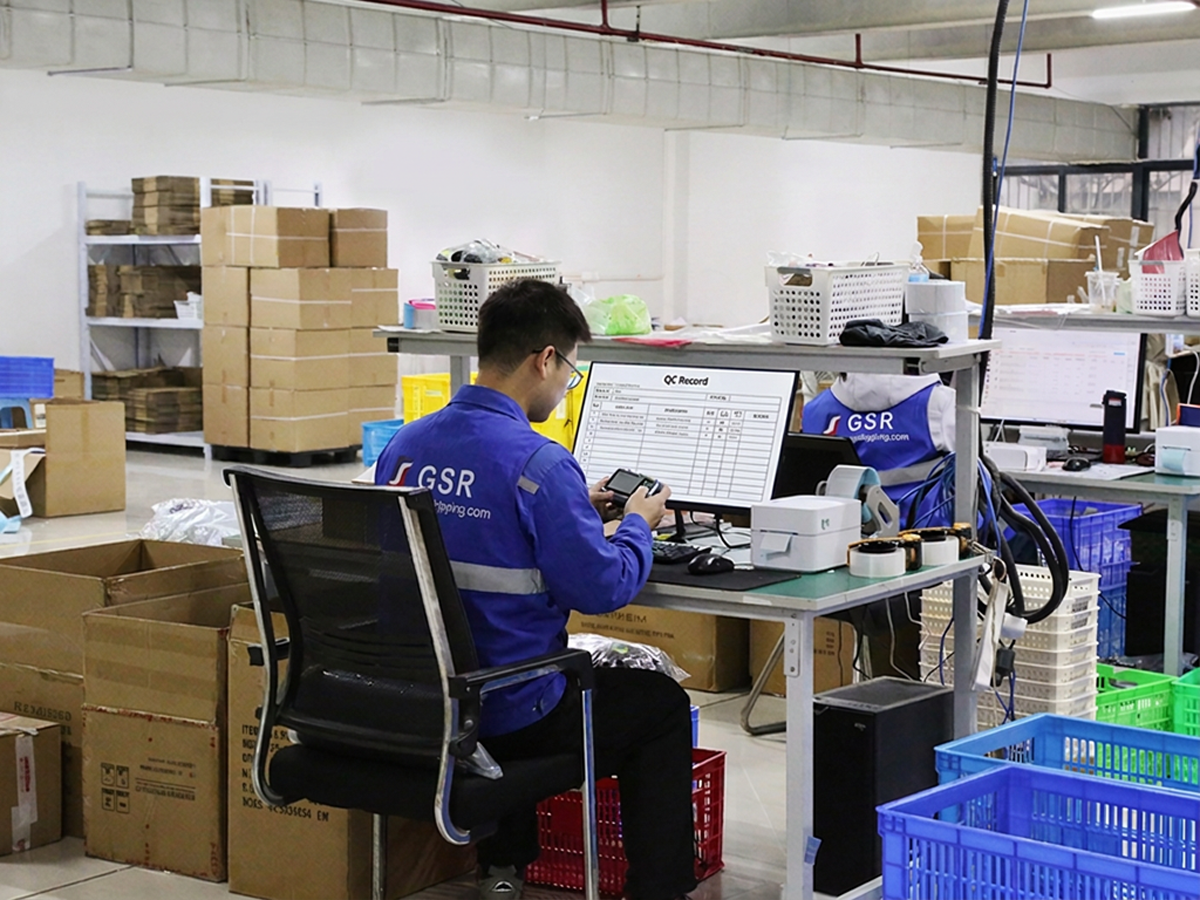
Sustainable repurchase cultivation does not require defect-free products, but consistent and reliable product experience. GSR implements standardized pre-shipment quality inspection to filter visually defective and functionally abnormal units before outbound delivery, unifying product quality across order batches and minimizing experience deviations caused by supply-side instability.
Unboxing Experience: Tangible Brand Asset for Cross-Border Stores
For cross-border independent stores, customers have no physical access to brand offices or operational teams. The delivered parcel is the only tangible brand touchpoint that shapes real user perception.
Inconsistent packaging, insufficient buffer protection and irregular parcel appearance lead to fragmented brand impressions and weaken user recognition. Long-haul cross-border logistics involve multiple transshipments; substandard packaging causes in-transit damage and invalidates product quality advantages.
GSR adopts category-based standardized packaging specifications. The warehouse matches outer box dimensions and cushioning materials according to product attributes, eliminating rough packaging and unprotected shipment. Merchants may attach customized instruction cards or brand inserts to establish unified lightweight brand presentation without high-cost packaging investment.
Standardized unboxing experience transforms virtual online brand image into solid customer memory, laying the groundwork for active repurchase demands.
After-Sales Governance: Build Trust in Abnormal Scenarios
Cross-border logistics uncertainty inevitably generates occasional order anomalies including transit damage, delivery delays and expectation mismatches. Many merchants regard after-sales processing as operational cost rather than critical brand trust points.
Smooth problem resolution effectively enhances customer loyalty, while perfunctory responses cause permanent user loss. The traditional dropshipping after-sales dilemma lies in multi-party responsibility segmentation, resulting in inefficient communication and delayed feedback.
GSR provides dedicated abnormal-order processing channels for warehouse-caused issues such as wrong shipments and parcel damage. The streamlined accountability mechanism eliminates repeated cross-party verification, allowing merchants to focus on customer communication and solution delivery rather than inefficient information confirmation.
Professional after-sales service does not guarantee full complaint resolution, but delivers timely responses, transparent logic and reliable solutions. Global buyers tolerate cross-border uncertainties but distrust irresponsible service attitudes. Proper crisis handling converts negative experiences into long-term brand trust.
Brand Memory: Sustain Long-Term Customer Recall
Paid advertising achieves one-time conversions, while stable full-cycle experience sustains long-term brand recall. Intense cross-border homogenization competition makes visual marketing ineffective for user retention; lasting customer memory derives from consistent post-purchase experience rather than momentary advertising stimulation.
Brand building for small and medium dropshipping stores relies on accumulated experience iteration, not high-cost visual upgrades. Every warehouse procedure including quality inspection, packaging and exception handling participates in brand value shaping. Continuous backend operational instability offsets all front-end branding efforts.
GSR standardized fulfillment stabilizes core delivery links, unifies multi-order user experience and gradually cultivates passive brand recognition among customers. When repurchase demands occur, positive historical experience drives active store revisits.
Key Misconceptions in Repurchase Operation
Misconception 1: Discount incentives drive sustainable repurchases
Price incentives only generate temporary clicks. Genuine loyalty requires consistent shopping experience. Discounts serve as auxiliary tools rather than core retention drivers.
Misconception 2: Repurchase operation targets only old customers
Repurchase potential is determined by the first-order experience. Full-cycle experience standardization must start from the initial transaction to avoid post-traffic customer churn.
Misconception 3: Repurchase relies solely on marketing tools
Backend fulfillment stability acts as the underlying foundation of repurchase capability. Without standardized quality control and after-sales processing, front-end retargeting efficiency is severely limited.
Misconception 4: Trending products bring repurchase value
Most viral products belong to impulse consumption categories with no repetitive demand. Trending items boost transaction volume but fail to accumulate loyal customer assets.
Standardized Strategies for Repurchase-Driven Fulfillment
First, prioritize experiential stability in product sourcing. Optimize listing authenticity to reduce customer expectation gaps and select categories with repetitive consumption potential.
Second, leverage warehouse pre-shipment QC mechanisms to intercept defective goods at the source and reduce after-sales pressure.
Third, standardize packaging and protection procedures to deliver consistent unboxing experience without excessive customization costs.
Fourth, simplify after-sales communication links via professional fulfillment teams to improve abnormal-order resolution efficiency.
Fifth, deploy email retargeting and customer re-engagement only after stabilizing core product and delivery experience.
Dropshipping merchants cannot control the entire supply chain, but can rely on GSR’s standardized fulfillment system to stabilize warehousing, inspection, packaging and exception handling. Eliminating backend experience fluctuations protects front-end traffic value and converts temporary orders into sustainable customer assets.
Conclusion
Paid traffic has inherent cost ceilings and diminishing returns. Transaction volume represents temporary business flow, while customer repurchase represents sustainable business capability.
Repurchase performance is the comprehensive result of product quality, delivery experience, after-sales service and brand perception. Without self-built warehouses, dropshipping merchants can achieve steady growth through standardized third-party fulfillment.
By adopting GSR’s unified QC, packaging and abnormal-order processing standards, merchants eliminate experience inconsistencies, accumulate long-term brand trust, and break free from traffic-dependent growth limitations to realize sustainable store development.
FAQ
Q: Is repeat purchase achievable under dropshipping models with unstable supply quality?
A: Repurchase is fully achievable. The core challenge lies in experience inconsistency, not the dropshipping model itself. Standardized warehouse inspection and unified packaging effectively narrow cross-order experience gaps and support steady customer retention.
Q: Is custom packaging mandatory for improving repurchase rates?
A: Custom packaging is an advanced optimization, not a basic requirement. Stable product quality, reliable protection and responsive after-sales service constitute the foundation of customer retention.
Q: Should new stores with low order volume focus on repurchase operation?
A: Repurchase cultivation starts from the first order. Early experience standardization prevents large-scale customer churn as order volume expands and builds long-term growth foundations.
Q: Is repurchase operation valuable if most customers ignore marketing emails?
A: Email is only a supplementary retargeting channel. Customers retain brand memory based on real shopping experience. Positive full-cycle experience drives active revisits even without marketing stimulation.