

Blog
- Home
- Blog

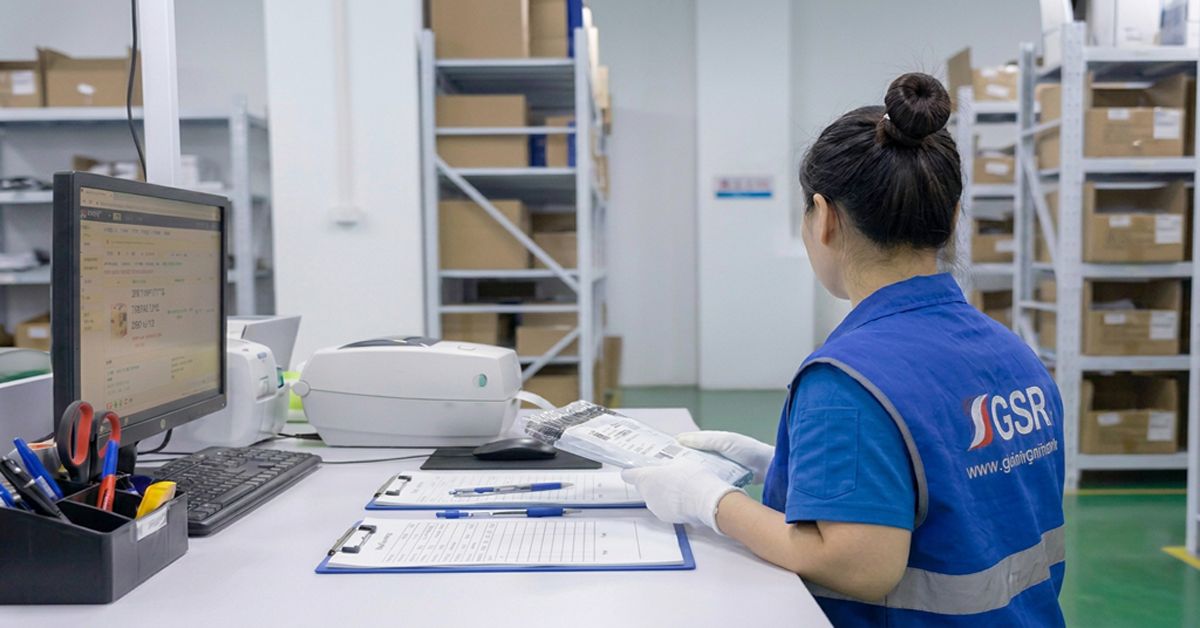
Most Shopify dropshipping operators share a common strategic flaw: overemphasizing front-end traffic acquisition while ignoring post-purchase experience optimization. Countless merchants invest the majority of resources in ad testing, creative iteration and trending product sourcing, regarding paid-order conversion as valid business growth. This traffic-dependent model generates transaction volume yet fails to build durable business value.
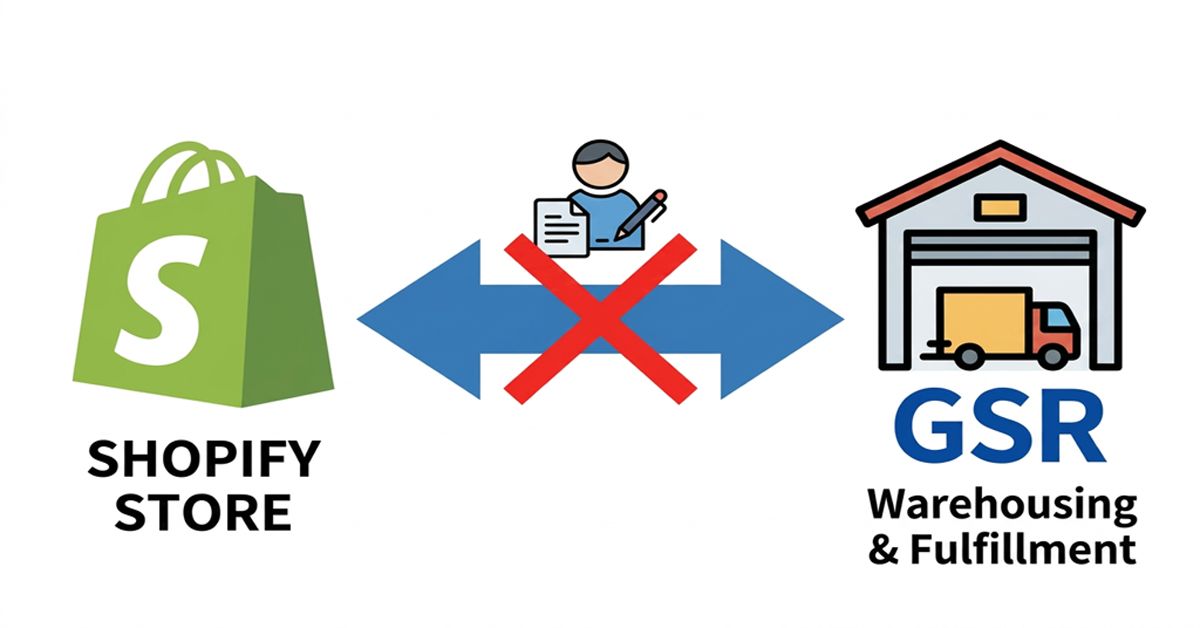
Nearly all Shopify dropshipping merchants have experienced manual order processing. I once spoke to an independent store owner whose ad campaign suddenly brought a surge of orders. He stayed up late copying and checking order details, yet address typos and incorrect SKUs still slipped through. Wrong shipments brought negative reviews and refunds. The hard-won traffic gain was ruined by back-end fulfillment issues.
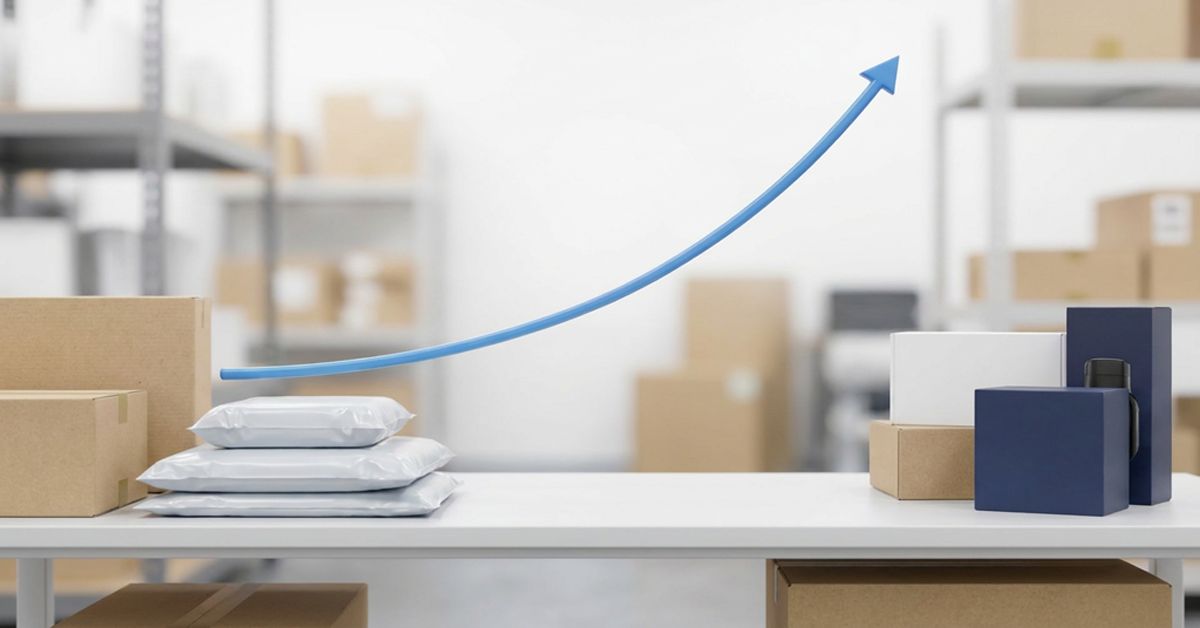
Every Shopify dropshipping merchant hopes for stable sales and steady store development. In the cross-border industry, viral products and traffic breakthroughs often bring temporary order growth, which easily makes merchants feel that their business is on the right track.
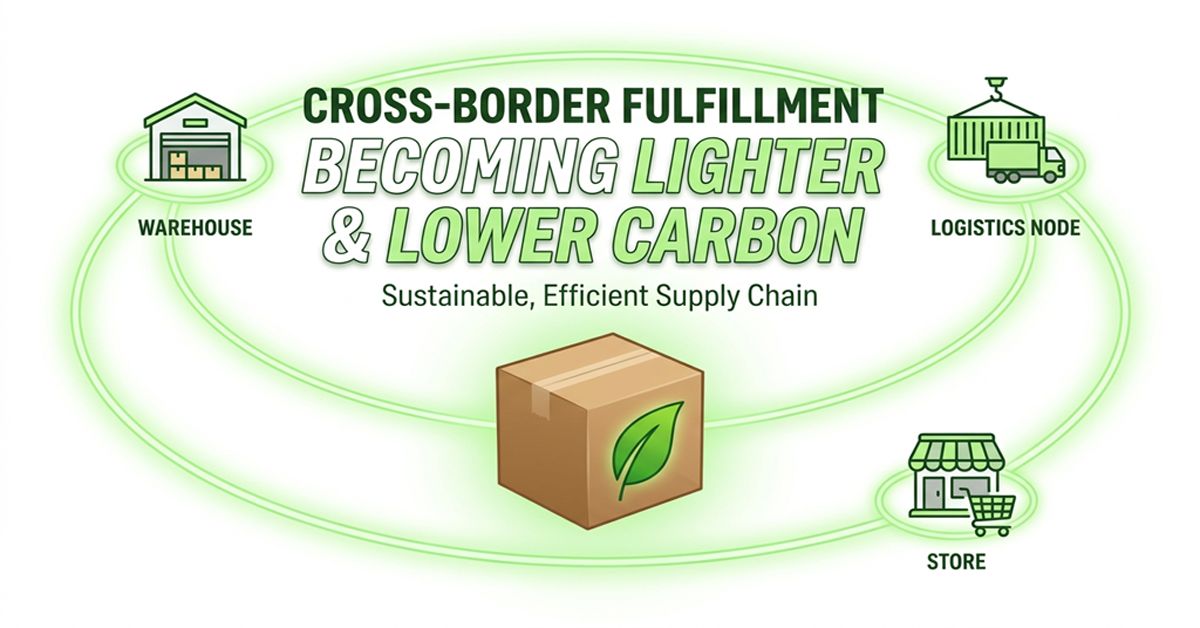
Anyone managing Shopify stores has likely spotted subtle shifts in overseas consumer behavior. A few years ago, shoppers mainly weighed product quality, pricing and delivery speed before purchasing. Today, growing numbers of international buyers also examine brands’ environmental practices. They notice overpackaging, excessive single-use plastic and waste reduction efforts. These details quietly shape purchase decisions and repeat purchase behavior.

Cross‑border dropshipping is a multi‑party cross‑domain supply‑chain system. Visible tracking results are aggregated scan data from multiple links and carriers. Many merchants regard tracking interruption as physical shipment failure and trigger mass customer replies, compensation and reshipment.
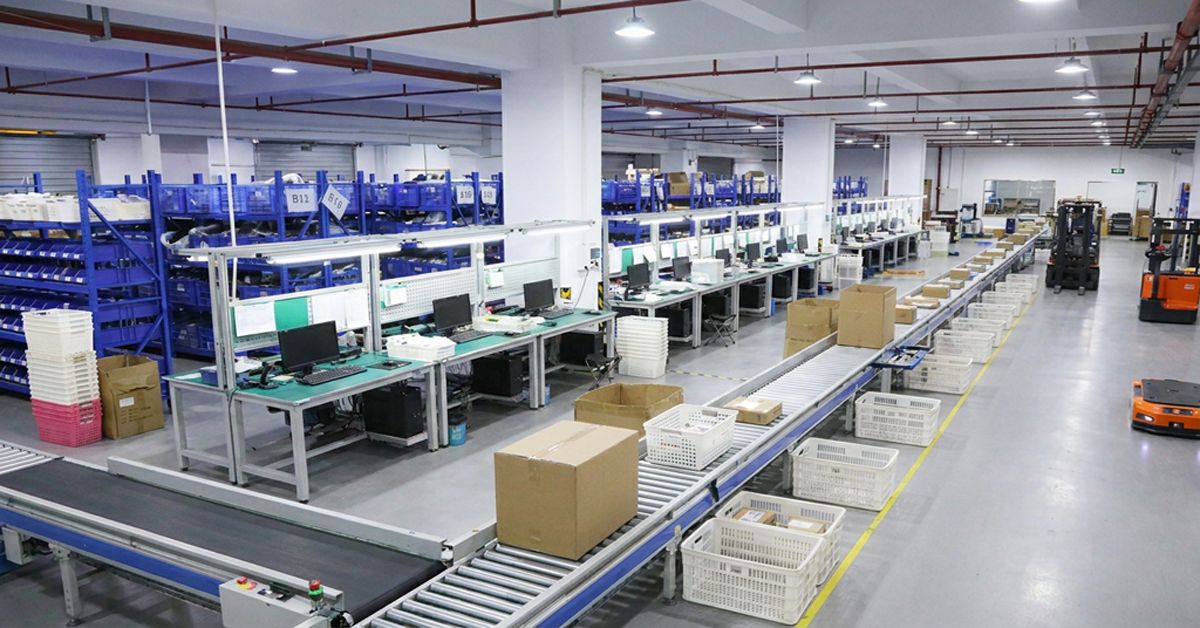
Every dropshipping merchant dreams of viral sales growth and steady order spikes. Store owners spend enormous time optimizing store pages, refining ad creatives and testing social content, hoping to achieve scalable business growth.
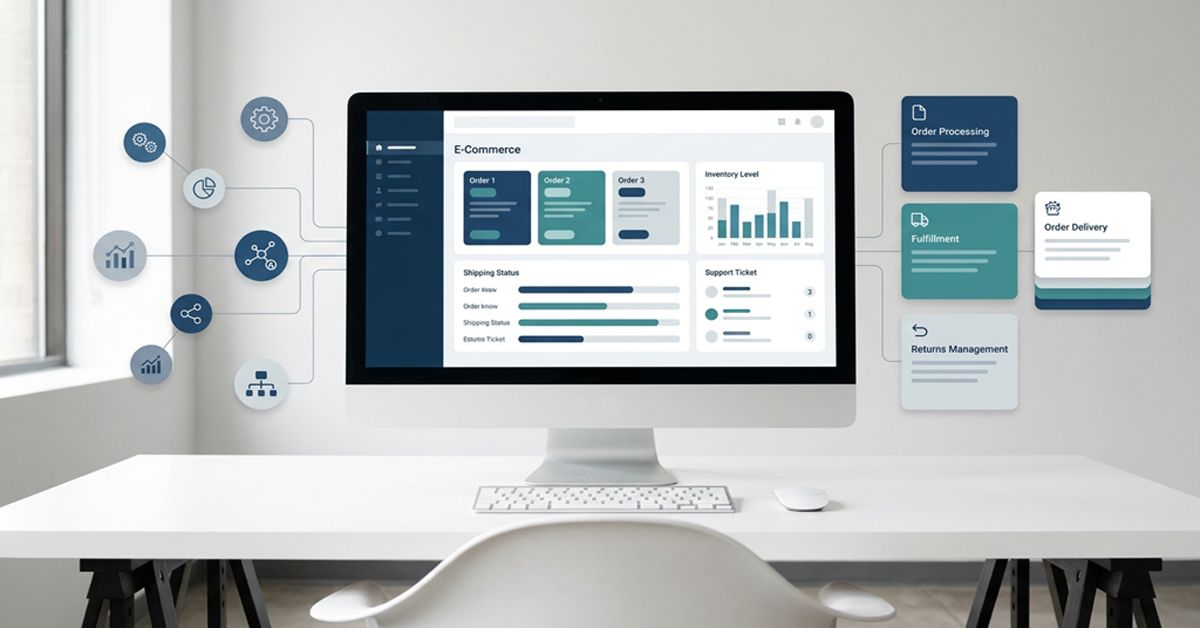
Have you ever built steady daily sales, only to be flooded with unexpected issues: inconsistent product quality, confusing tracking updates, piles of after‑sales tickets and shrinking profit margins? This is a common roadblock for many dropshippers who rely purely on general marketplace sourcing.
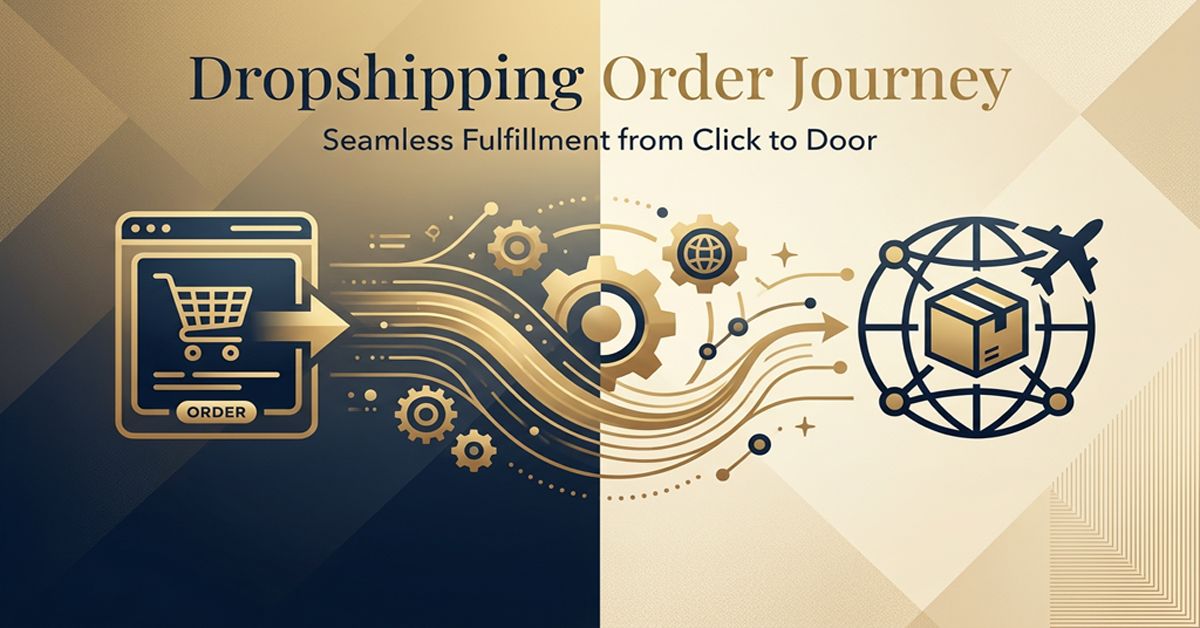
Let’s start with a scene many sellers have experienced. The store is finally gaining traction, and orders are coming in steadily. You think you can finally catch your breath—then every day is spent handling the same issues
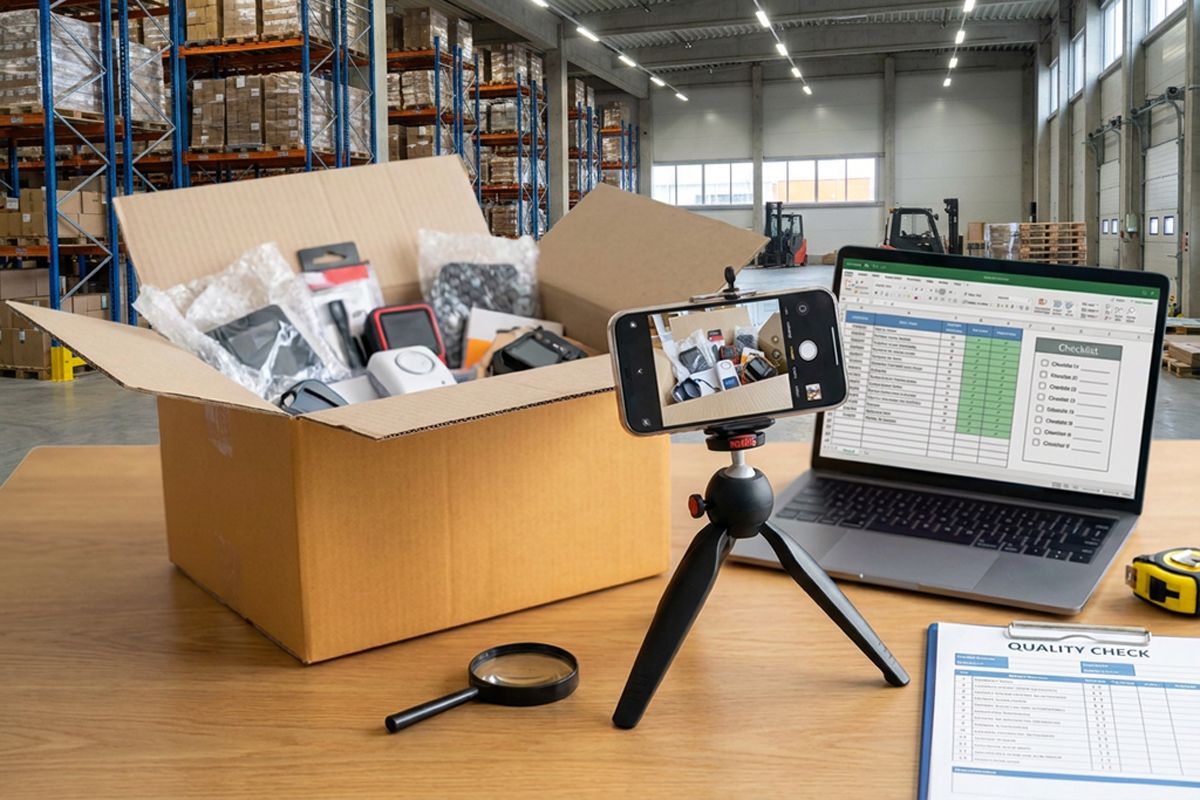
A customer places an order with excitement, waits for the package, then finds defects, functional issues, or damaged packaging upon arrival—followed by a negative review, refund request, or even a one-star rating on your store. Ad spend is already gone, order profit is diluted, and you still have to spend time handling after-sales. This is a real pain point for many Shopify dropshipping sellers.

Have you ever rushed to list a suddenly popular product, poured money into ads, watched orders come in for a couple of weeks, and then seen demand fade almost as quickly as it appeared? Ad spend is gone, returns or leftover issues start piling up. This is a familiar story for many Shopify dropshipping sellers.
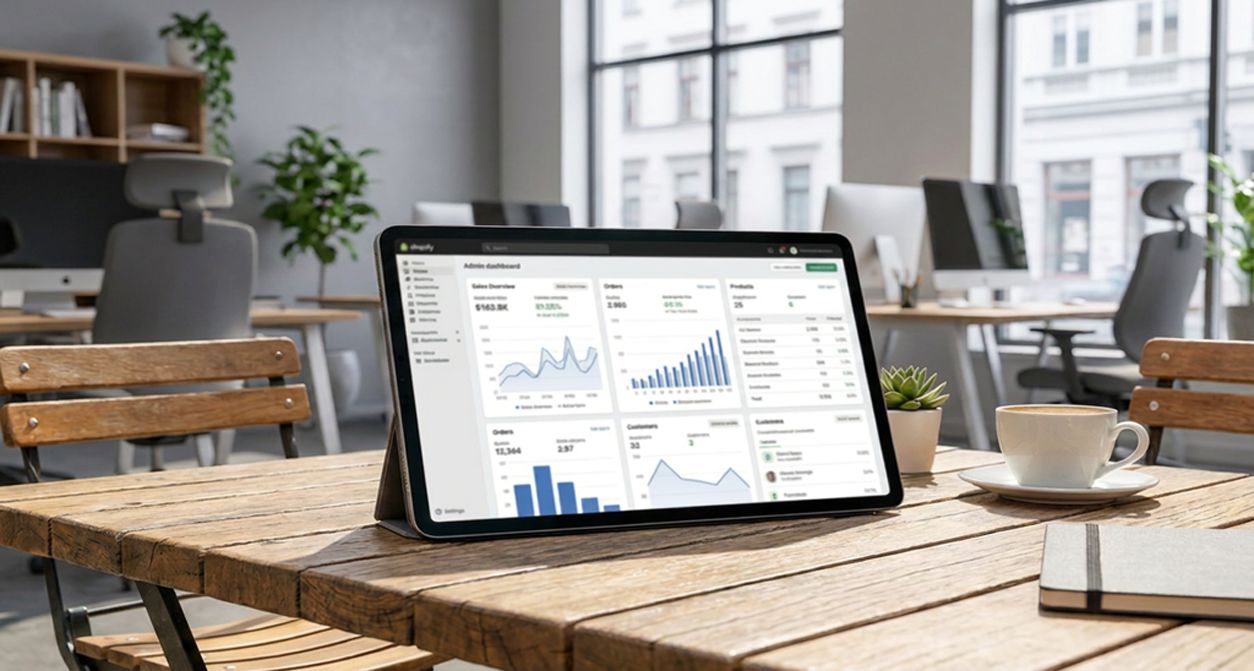
Imagine your Shopify store, carefully built with steady traffic and consistent orders coming in. But as advertising costs rise and competition intensifies, you start wondering: How far can the business go relying on Shopify alone?
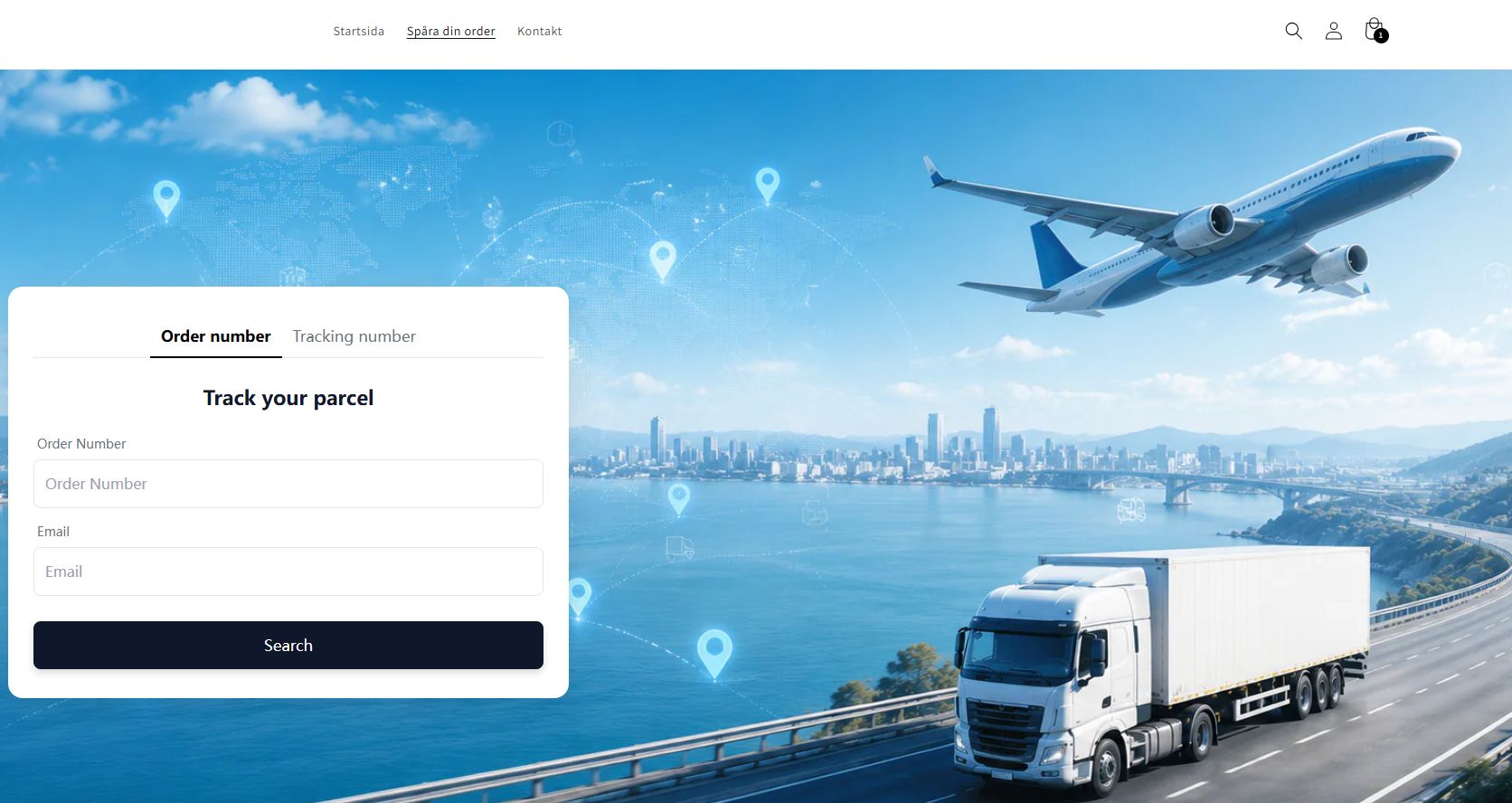
Looking for a free Shopify order tracking solution without monthly limits? Learn why merchants are switching from Track123 and 17TRACK to unlimited order tracking. If you're running a Shopify store, sooner or later you'll realize that customers constantly ask the same question: