


Every dropshipping merchant dreams of viral sales growth and steady order spikes. Store owners spend enormous time optimizing store pages, refining ad creatives and testing social content, hoping to achieve scalable business growth.
However, a harsh industry reality remains: uncontrolled sales spikes ruin more stores than they help.
Many stores finally gain stable traffic and explosive orders, only to face severe order accumulation, endless shipping delays, rising customer complaints, negative reviews and refund requests. Hard‑built store metrics collapse in a short time, and traffic profits are completely eaten up by after‑sales losses.
Merchants often wonder why top stores handle massive order surges effortlessly, while small and mid‑sized stores collapse instantly.
The answer is simple and definitive: Most dropshipping stores rely on scattered marketplace suppliers with no fixed warehouse space, no stable workforce and no standardized shipping procedures. This casual sourcing model only works for low daily order volume. It cannot support scaling growth or sudden order spikes.
Truly sustainable dropshipping growth never depends solely on front‑end traffic skills. It relies on stable, dedicated backend fulfillment infrastructure that can absorb volume surges without quality degradation or operational collapse.
1. Why General Marketplace Sourcing Cannot Handle Sudden Order Spikes
Most new and mid‑size merchants source products from decentralized marketplace vendors. The biggest downside of this model is not pricing, but the lack of large‑scale fulfillment capacity, which is inherently unfit for sales surges.
Nearly all order‑backlog and breakdown incidents stem from four key pain points:
1. No dedicated warehouse, relying on temporary supplier capacity
Marketplace‑based suppliers are mostly individual operators without permanent warehouse premises, fixed staff or stable working schedules. They can cope with small‑volume daily orders, yet once sales surge, there is no extra manpower, storage space or assembly‑line capacity. Orders start queuing and piling up.
No peak‑time capacity is reserved in advance, and there is no unified inventory planning. When orders boom, delayed processing, missed orders and wrong shipments become unavoidable.
2. No standardized shipping procedures, relying on random manual operations
Third‑party marketplace vendors follow inconsistent operating rules. Packaging protection, label printing, outbound checks and carrier hand‑off vary from person to person.
Under chaotic high‑volume conditions, many suppliers cut corners to speed up delivery: skipping quality checks, using insufficient protective packaging and rushing parcels out the door. This leads to inconsistent product conditions, frequent damage, missing parts and incorrect items, triggering waves of after‑sales troubles.
3. Misleading inventory data causing overselling and backlogs
Decentralized suppliers lack real‑time inventory synchronization. Back‑end systems may show stock availability while physical goods are already sold out. Overselling stays invisible at low order volumes. When sales spike, numerous unfulfillable orders flood in, creating large‑scale backlogs, refund compensation and damaged store reputation.
4. No formal peak‑response plans for volume surges
Ordinary marketplace suppliers have no mature countermeasures for sudden order growth. They do not pre‑stock goods, deploy extra staff or adjust operating rhythms. They accept incoming orders passively, and all risks ultimately fall onto the dropshipping merchant.
To sum up: general marketplace sourcing only provides basic shipping capability, not reliable fulfillment capability. It works for small‑scale testing but cannot sustain sales surges.
2. Core Advantages: How GSR Dedicated Warehouse and Standardized Workflows Prevent Surge‑Driven Backlogs
Supply chains capable of supporting scaling and explosive sales must satisfy two core requirements: in‑house dedicated warehouse facilities and complete standardized shipping protocols.
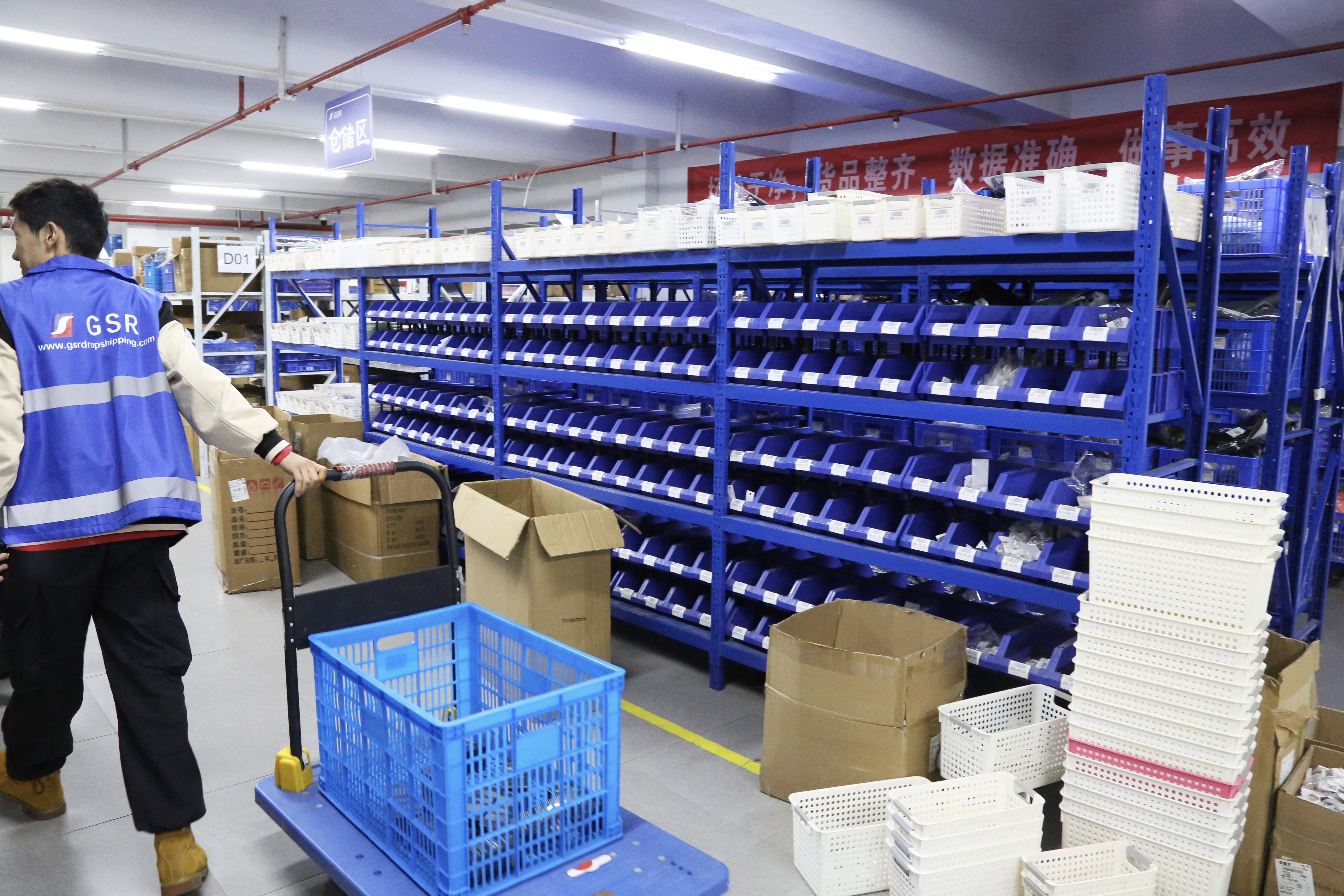
This marks the essential difference between GSR and ordinary marketplace‑style dropshipping. All fulfillment services run out of our dedicated warehouses. Every step from goods receiving, quality inspection, sorting, packing to tracking‑number callback follows fixed standards and stable workflows built for scaling merchants facing sharp order increases.
2.1 Dedicated warehouse facilities with scalable peak‑hour capacity
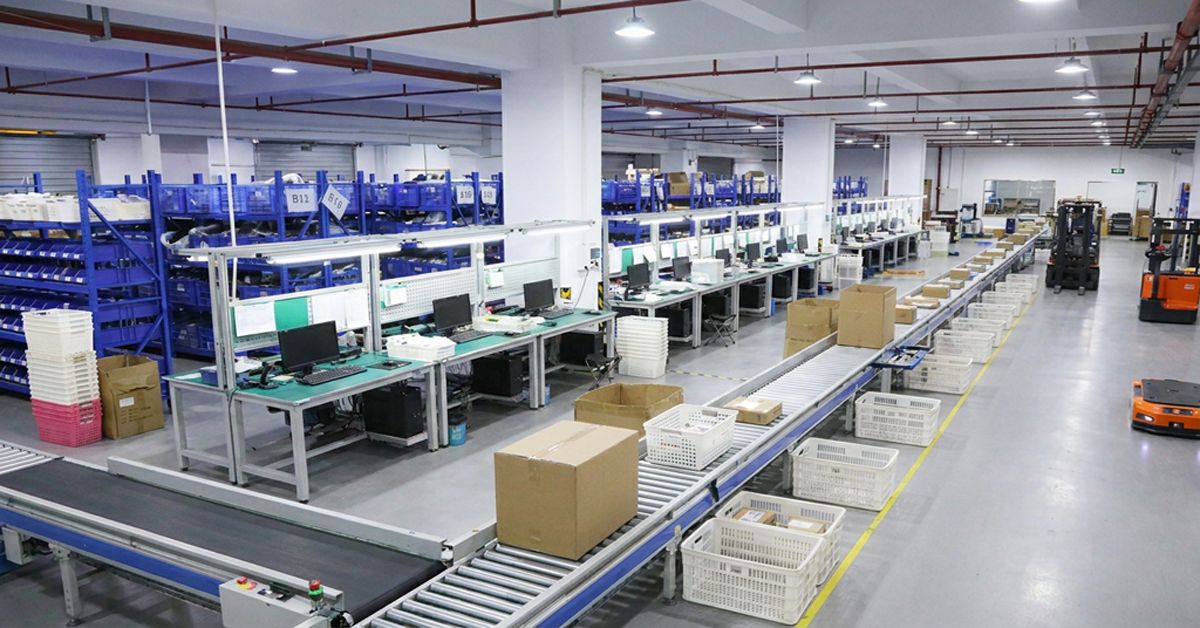
GSR operates independent dedicated warehouse premises instead of makeshift workshops or simple forwarding channels.
Permanent on‑site teams, sorting equipment and partitioned storage zones are maintained year‑round. High‑potential SKUs get reserved storage positions and inventory buffers. While keeping stable daily processing rhythms, the warehouse can rapidly scale manpower and throughput when unexpected traffic or high‑volume periods arrive.
Where other providers collapse under overload, GSR expands capacity to process surging orders in orderly fashion, eliminating backlogs from the hardware level.
2.2 End‑to‑end standardized shipping workflows with full traceability
Many merchants misunderstand fulfillment as merely packing and sticking shipping labels. Professional fulfillment represents a complete closed‑loop workflow. Inside GSR dedicated warehouses, standardized compliance procedures remain fully enforced whether under regular or peak‑volume conditions:
✅ Inbound verification: All incoming goods are inspected for specification, condition and quantity to prevent defective items from entering stock.
✅ Real‑time inventory sync: Warehouse management systems update stock data continuously to block misleading inventory status and overselling risks.
✅ Intelligent order sorting: Orders are automatically grouped by SKU, destination and purchase timestamp for systematic processing without disorder or unfair priority jumping.
✅ Secondary pre‑shipment quality check: Before packing, items and accessories are verified to intercept damaged, defective or mismatched goods.
✅ Uniform protective packaging: Consistent packing materials and protection standards prevent rough or careless parcel handling.
✅ Scheduled carrier hand‑off: Stable logistics partnerships ensure timely collection and normal tracking‑status updates even during peak periods.
✅ Instant tracking callback: Tracking numbers are pushed to merchant store systems immediately after parcels leave the warehouse.
These standardized workflows cannot be easily replicated by individual marketplace suppliers. Even if order volume multiplies overnight, processing stays orderly, shipping remains stable, and quality standards never drop.
2.3 Mature contingency plans for sales‑surge scenarios
GSR has built proven peak‑response mechanisms tailored for merchants experiencing sudden growth:
Reserved inventory locks for hot‑selling SKUs, pre‑allocated peak‑processing capacity, automatic alerts for abnormal order‑growth velocity, additional staffing during traffic booms, dedicated channels for urgent processing, and assigned specialists handling inventory shifts and order anomalies.
While ordinary suppliers react to crises after they occur, GSR takes proactive preventive measures to keep backlogs from forming in the first place.
2.4 Stable system‑driven data loop to avoid invisible backlogs
Hidden backlogs often arise from API glitches, push failures and cached‑inventory errors. GSR warehouse management systems maintain deep stable API integration with merchant stores. Order transmission, inventory refresh, tracking feedback and anomaly interception run reliably under high‑concurrency conditions, minimizing stuck orders, push failures and data desync.
3. What Merchants Must Understand: Sales Spikes Test Your Fulfillment Foundation, Not Only Your Traffic
Many dropshipping merchants misjudge competition logic within the industry. They believe superior traffic skills and product‑selection ability alone bring profits.
Nevertheless, for stores achieving long‑term survival and consistent profitability, stable backend fulfillment forms the real core competitive edge.
Traffic creates opportunities for revenue; fulfillment safeguards your profits.
Supply chains without dedicated warehouses, standardized workflows and peak‑scalability are inherently fragile. They may perform adequately with low daily orders, yet break down once business takes off and damage your store performance.
GSR dedicated‑warehouse fulfillment is built for scaling‑oriented merchants preparing for sales surges.
Get rid of random vendor‑side shipping, inconsistent manual operations, surge‑triggered backlogs and endless after‑sales overhead. Make every order boom translate into genuine profit and brand improvement instead of operational disaster.
4. Conclusion: Reliable Fulfillment Forms Your Core Barrier for Long‑Term Store Growth
Order backlogs and breakdowns during sales spikes are not bad luck — they reflect supply‑chain maturity gaps.
Marketplace‑sourced dropshipping fits early‑stage testing. Dedicated‑warehouse infrastructure paired with standardized compliant shipping workflows supports sustained scaling, brand building and stable profitability.
If you frequently encounter minor order delays, backlogs whenever sales pick up, constant after‑sales workload and hesitation to scale traffic, your supply‑chain capacity simply cannot match your front‑end traffic potential.
Upgrading to GSR dedicated‑warehouse standardized fulfillment allows you to fully capture traffic opportunities, and move your store from mere survival to steady scalable profitability.
FAQ
Q: What is the main difference between marketplace suppliers and GSR dedicated warehouses?
A: Marketplace vendors lack fixed warehouse space, stable manpower and standardized workflows, and tend to break down under sales surges. GSR runs dedicated warehouse premises, permanent operational teams, full standardized shipping procedures and peak‑time contingency plans to process high‑volume orders steadily and prevent fulfillment failures.
Q: Should I upgrade fulfillment if I only see occasional minor delays?
A: Yes. Infrequent shipping delays, occasional wrong items and recurring stock‑out warnings are early warning signals of insufficient supply‑chain capacity. Further scaling will turn small issues into large‑scale breakdowns. Switching to standardized dedicated‑warehouse fulfillment helps you avoid risks ahead of time.
Q: Does dedicated‑warehouse fulfillment add extra operational complexity for merchants?
A: No. Merchants still use automatic API order pushing for full‑auto fulfillment. Improvements happen entirely on the warehouse side: better quality control, accurate inventory and stronger peak‑volume capacity, bringing merchants less trouble and fewer after‑sales cases.