


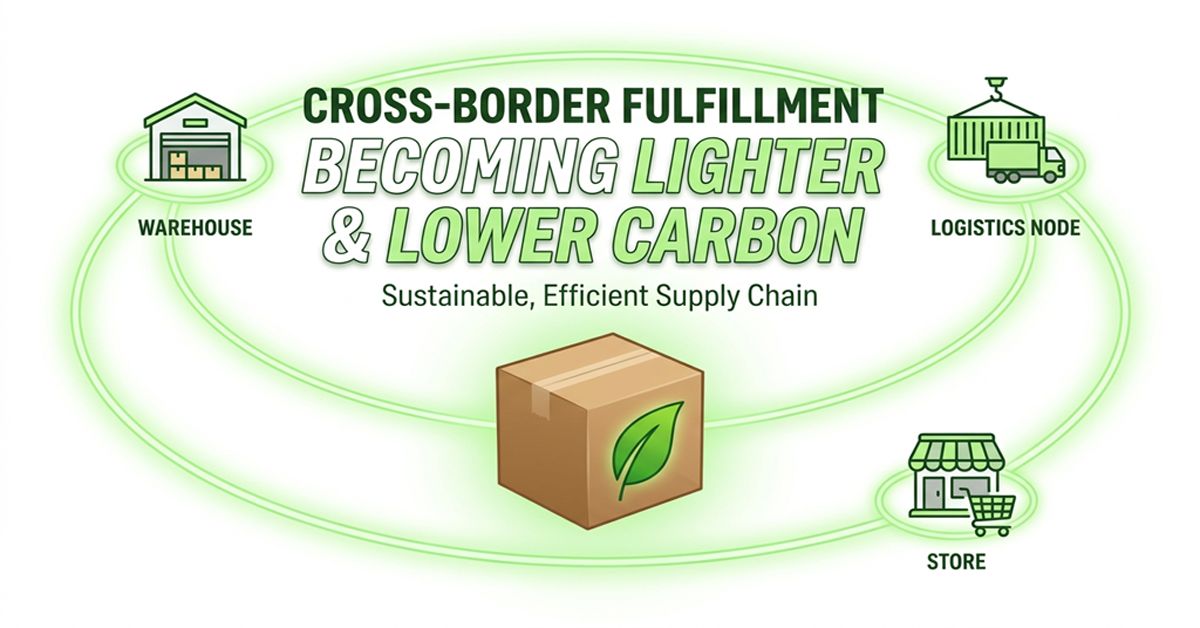
Anyone managing Shopify stores has likely spotted subtle shifts in overseas consumer behavior.
A few years ago, shoppers mainly weighed product quality, pricing and delivery speed before purchasing. Today, growing numbers of international buyers also examine brands’ environmental practices. They notice overpackaging, excessive single-use plastic and waste reduction efforts. These details quietly shape purchase decisions and repeat purchase behavior.
This shift is not a marketing gimmick, but a real change in mainstream European and American consumer markets. Many store owners receive customer emails or product reviews asking about packaging sustainability. For eco-aware audiences, a brand’s fulfillment choices directly shape their overall impression.
Even with rising market demand, most dropshipping sellers stay cautious about green packaging upgrades. Traditional dropshipping supply chains are often fragmented, making consistent bulk control over packaging materials and packing details difficult. Many merchants have tested eco packaging, only to stop due to unstable material supply, cost fluctuations, inconsistent packing standards, or insufficient packaging protection.
One major risk deserves special attention: greenwashing. Promising fully eco-friendly or zero-waste packaging without matching fulfillment capabilities will disappoint buyers and damage credibility, and may trigger compliance issues in overseas markets.
True mature cross-border sustainable fulfillment does not rely on flashy slogans. It consists of practical standardized operational improvements: cutting redundant packaging, removing unnecessary plastic fillers, using properly sized boxes, prioritizing recyclable materials, and maintaining reliable protection for long-distance cross-border shipments.
For dropshipping merchants without in-house warehouses or stable supply chains, the safest route toward greener operations is partnering with a professional fulfillment provider with standardized warehouse management to roll out gradual, compliant green upgrades.
In daily fulfillment, GSR follows practical and compliant green optimization, without overstating environmental claims.
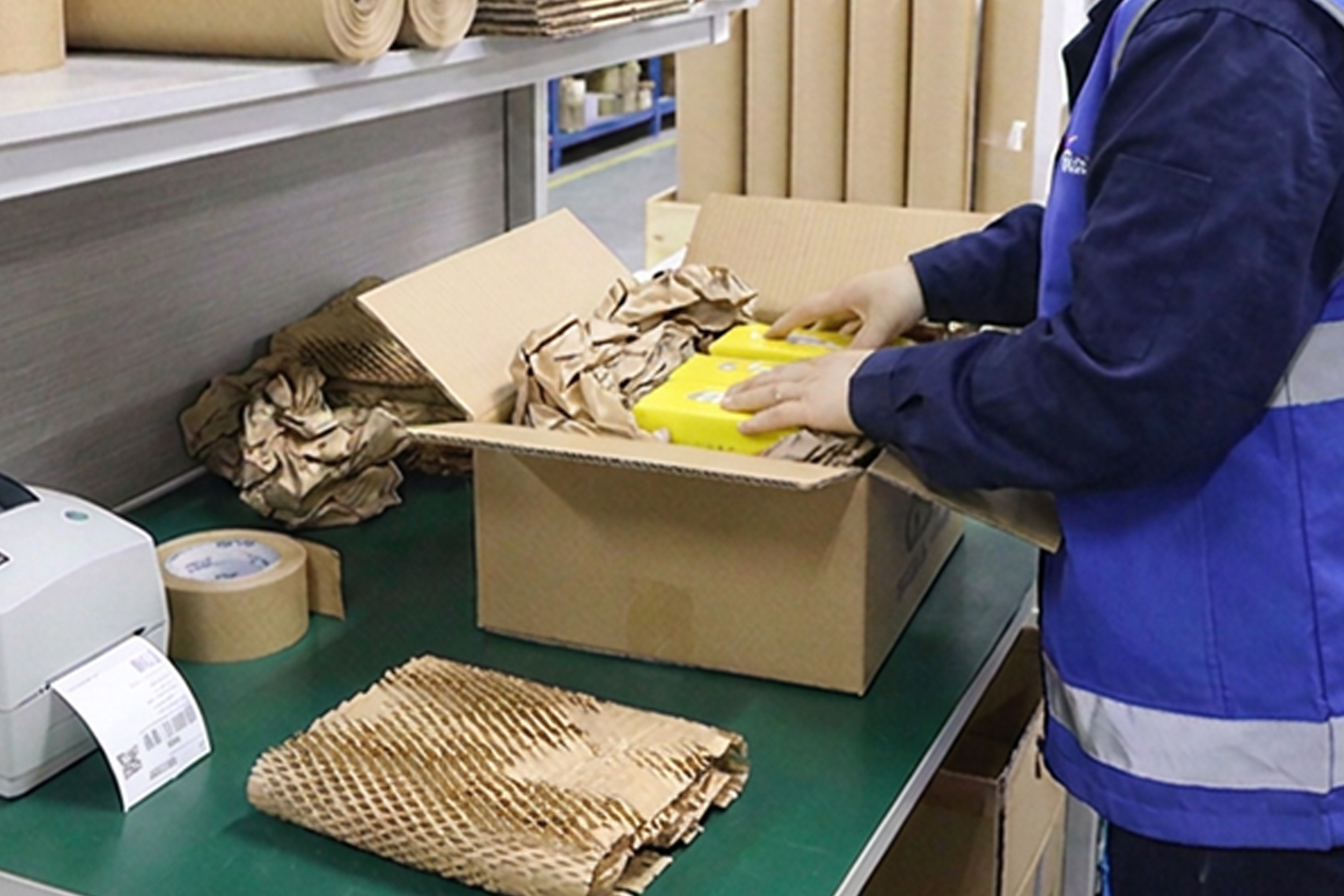
Unlike small scattered suppliers that randomly assign packaging materials, GSR’s standardized warehouse system controls packaging specifications from the start. The warehouse consistently uses boxes sized to match product dimensions, addressing the widespread industry issue of small items shipped in oversized cartons. Many ordinary dropshipping orders place tiny goods in large boxes filled with plastic bubble wrap, creating unnecessary waste and raising volumetric weight charges.
Through pre-sorting and size matching, the warehouse controls package volume for each order and trims excess fillers, cutting plastic consumption during packing. This optimization aligns with sustainable consumption trends and helps sellers reduce logistics costs caused by oversized packaging.
For eco-friendly material switches, GSR adopts a steady, pragmatic approach. Supported by stable warehouse operations and bulk material management, the warehouse offers options for recyclable paper packaging and degradable cushioning materials. Sellers can select solutions flexibly based on product type, target audience and budget. There is no requirement to switch all products at once or make exaggerated environmental commitments.
Many sellers worry packaging sustainability changes will weaken parcel protection or slow shipping speed.
This concern is reasonable. Cross-border shipments travel long distances through multiple handoffs under varying conditions. Poor packaging protection leads to damaged goods, return disputes and negative reviews, defeating the purpose of sustainable practices.
The strength of professional warehousing lies in balanced optimization. Every packaging adjustment at GSR is designed with cross-border transit in mind. Packaging plans and alternative materials are validated through real shipping scenarios. While lowering environmental impact, they retain shock resistance, compression and moisture protection required for international delivery, avoiding after-sales risks caused by hasty material replacement.
All green optimization procedures are integrated into daily warehouse workflows. Teams follow unified guidelines and regular hands-on training. Whether handling normal order volumes or traffic-driven order spikes, the warehouse maintains consistent low-carbon packing standards without shipment delays or packing errors caused by workflow changes.
For independent store brands, sustainable fulfillment delivers benefits beyond simply chasing market trends.
The dropshipping space is highly homogenized. Stores often sell similar products with comparable pricing and marketing. Credible green fulfillment becomes a strong differentiator for brand upgrading.
While many generic dropshipping stores keep using bulky, plastic-heavy packaging, your brand can communicate clear environmental values through every parcel sent out. Merchants can briefly explain low-carbon fulfillment concepts on product pages, brand story sections and order notifications to attract sustainability-focused shoppers.
These customers typically show stronger brand loyalty, lower price sensitivity, higher repurchase rates and willingness to share unboxing content on social media. They are high-value audiences supporting long-term store growth.
It is important to emphasize that brand green transformation should move step by step.
Many cross-border brands overpromise eco packaging. When delivered parcels fail to match the marketing claims, customers get disappointed and accuse brands of greenwashing. GSR keeps a realistic and honest service mindset: continuously refining low-carbon workflows and providing compliant fulfillment capacity to support merchants’ sustainable branding, rather than relying on empty marketing slogans.
For most dropshipping sellers, sustainability transformation does not require large-scale overhauls at once. Gradually refining packaging details, standardizing fulfillment workflows and building brand trust order by order is the most reliable growth strategy.
Conclusion
Sustainability is no longer a short-term marketing trend in cross-border e-commerce. It represents a long-term industry shift driven by consumer demand and market compliance rules.
For dropshipping merchants without self-built supply chains and warehouses, partnering with a professional standardized fulfillment provider is the lowest-cost, most reliable way to complete green transformation.
With careful packaging refinement, low-carbon workflow iteration and compliant material replacement options, GSR helps independent store brands implement practical sustainable fulfillment upgrades, meet overseas consumers’ environmental expectations, create differentiated brand value and sustain long-term business scaling.
FAQ
Q: Will sustainable packaging optimization raise order processing costs or slow down shipments?
A: Proper size optimization and removal of redundant fillers do not increase overall costs. All green procedures are built into standard warehouse workflows, bringing no extra delays and maintaining stable outbound speed.
Q: Does low-carbon packaging compromise protection for long-distance cross-border shipping?
A: All optimized packaging plans and alternative materials are tested in real cross-border shipments. They deliver sufficient protection for international transit while cutting packaging waste.
Q: Can merchants enable sustainable packaging optimization selectively for certain products?
A: Yes. Green fulfillment optimization supports selective activation. Sellers can adjust packaging solutions based on product attributes, target audiences and operational plans to achieve gradual and steady brand green upgrades.