


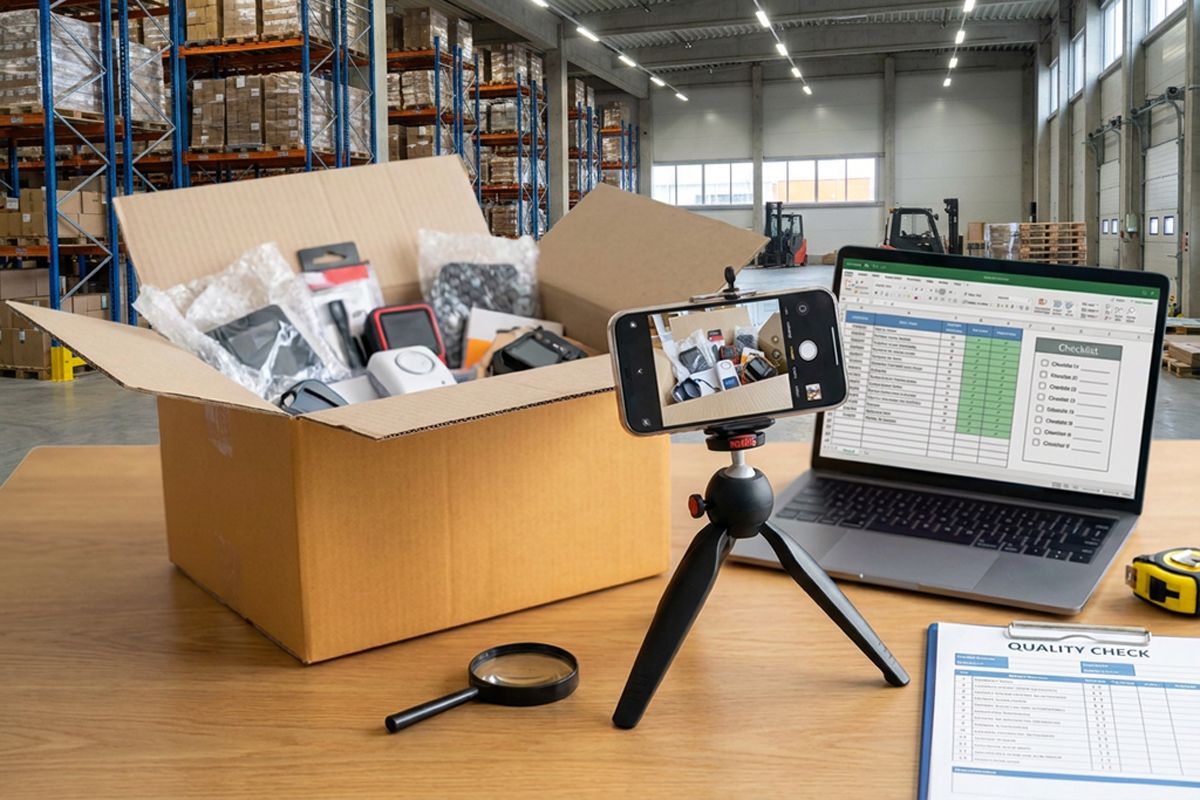
A customer places an order with excitement, waits for the package, then finds defects, functional issues, or damaged packaging upon arrival—followed by a negative review, refund request, or even a one-star rating on your store. Ad spend is already gone, order profit is diluted, and you still have to spend time handling after-sales. This is a real pain point for many Shopify dropshipping sellers.
Many people focus on “post-sale remedies”—replying to reviews, processing refunds, offering discounts. But what truly reduces these problems at the source is pre-shipment product quality inspection. Moving the checkpoint forward prevents many avoidable complaints from happening in the first place.
From a practical dropshipping operations perspective, let’s talk about the complete pre-shipment quality inspection process and how to implement it effectively so that negative reviews and refunds decrease.
Why Pre-Shipment Inspection Matters More Than Post-Sale Fixes
In the dropshipping model, sellers do not hold inventory and have relatively limited direct control over products. If suppliers lack strict checks before shipping, problematic items go straight to customers.
Common results include:
- Customers receive goods with appearance defects, functional failures, or missing accessories.
- Packaging is poor or damaged, creating a bad first impression.
- Products do not match the description, leading to refunds and negative reviews.
Post-sale handling is not only time-consuming but also affects store ratings and long-term conversion. The core value of pre-shipment inspection is blocking these issues before they leave the warehouse. Many sellers report that once the inspection process stabilizes, after-sales pressure drops noticeably and customer experience becomes more consistent.
Core Goals of Pre-Shipment Quality Inspection
Inspection is not about finding fault—it is about ensuring every product shipped meets customer expectations as much as possible. Main goals include:
- No obvious appearance defects
- Functions work properly
- Accessories are complete
- Packaging is intact and provides basic protection
- Basically consistent with the product description
Achieving these can significantly reduce negative reviews and refunds caused by product quality.
The Complete Pre-Shipment Quality Inspection Process
Based on practical operations, a relatively complete pre-shipment inspection process usually includes the following steps.
1. Receiving and Initial Counting
When goods arrive at the warehouse, first perform a basic count to confirm that quantity and categories match the order or purchase list. This helps avoid shipping the wrong items or missing items.
Also check whether the outer packaging shows obvious crushing, damage, or moisture signs. If the outer carton is already severely damaged, internal products are likely affected and need priority handling.
2. Appearance Inspection
This is the most basic yet often overlooked step. Focus on:
- Scratches, stains, or deformation on the surface
- Even color
- Neat stitching and joints
- Clear and correct labels or logos
Appearance issues are usually the first thing customers notice when opening the package and directly affect the first impression.
3. Function and Usage Testing
For products with functions, actual testing is necessary. Examples include power-on tests for electronic items, smooth mechanical movement, and responsive buttons.
Many negative reviews come from “received but does not work” or “not as described.” Function testing intercepts these problems in advance.
4. Accessories and Checklist Verification
Confirm that all required accessories, manuals, charging cables, etc., are complete. Missing accessories are a common refund reason, especially for products that need assembly or matching use.
5. Packaging and Protection Check
Check whether the inner packaging effectively protects the product, whether there is enough cushioning material, and whether the outer packaging is secure. Dropshipping products often travel long distances, so packaging quality directly affects the condition upon arrival.
Also ensure the packaging is clean and free of odor to avoid leaving a bad impression on customers.
6. Sampling and Batch Standards
Not every item needs full inspection, but set a reasonable sampling ratio based on product type and past issue rates. For new products or suppliers with more problems, the sampling ratio should be higher; for long-term stable products, it can be adjusted appropriately.
Keep simple inspection records for later tracing and communication with suppliers.
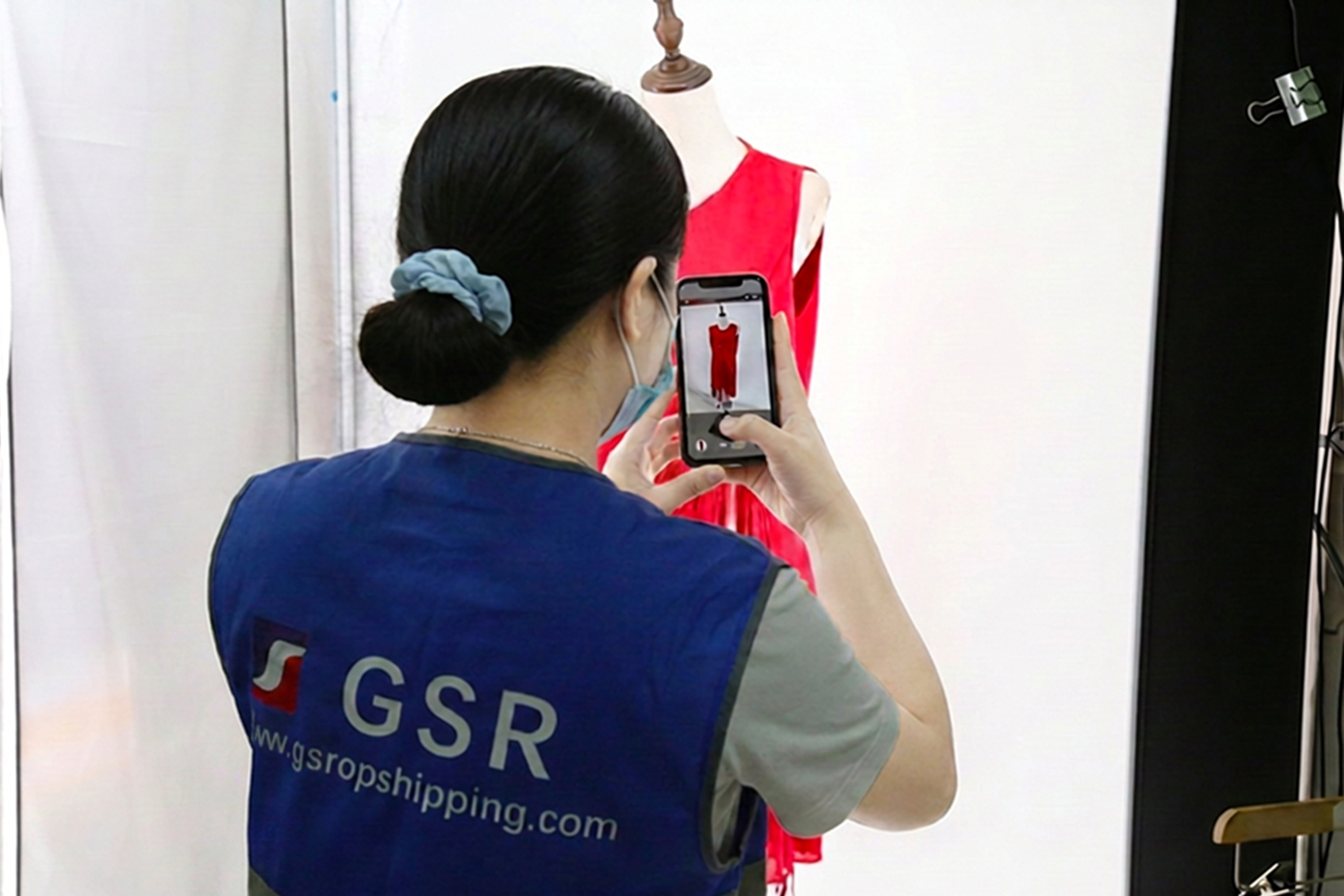
How to Actually Implement Quality Inspection
Writing the process down is easy; real execution is the key. These points are practical:
- Clear inspection standards: Create simple and clear checklists for different products to avoid large differences in subjective judgment.
- Fixed inspection steps: Make inspection a fixed action before shipping, not something done “when free.”
- Communicate with suppliers: Feedback issues promptly and request improvements instead of only handling them internally.
- Combine with fulfillment services: Many sellers choose fulfillment partners with solid inspection systems and leave professional checks to more experienced teams while focusing on store operations.
- Continuous optimization: Adjust inspection focus based on actual negative review and refund reasons.
Once inspection becomes a daily routine, sellers noticeably feel reduced after-sales pressure and fewer customer complaints.
The Relationship Between Inspection and Customer Experience
Customers rarely leave positive reviews specifically because “inspection was done well,” but they will leave negative reviews because “the product has problems.” The role of inspection is to reduce the probability of the latter.
Good pre-shipment checks also bring several indirect benefits:
- Lower return logistics costs caused by quality issues
- Reduced risk of store rating fluctuations
- Higher willingness for customers to repurchase
- More stable conversion from advertising
Many sellers only truly value inspection after experiencing several serious negative reviews. Establishing the process earlier actually costs less.
In practice, some deviations are common:
- Believing dropshipping “does not need inspection” and fully relying on suppliers.
- Only checking appearance while ignoring function testing.
- Vague inspection standards leading to inconsistent execution.
- No closed-loop feedback after finding problems, so similar issues keep recurring.
- Over-pursuing full inspection that affects shipping efficiency—balance between quality and efficiency is needed.
- A safer approach is to start with core products and high-issue categories, then gradually improve the process.
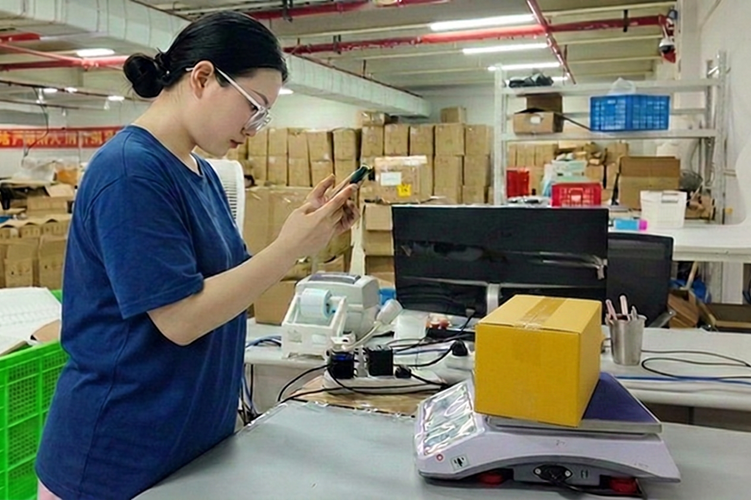
Negative reviews and refunds are often not just “bad luck,” but the result of insufficient checks before shipping. Building a solid inspection process and intercepting problem products at the source is an important step for dropshipping sellers to improve customer experience and reduce after-sales costs.
It does not require a complicated system. The key is turning checks into a habit and continuously adjusting based on real situations. When you notice fewer after-sales tickets and more positive customer feedback, you will understand the value of pre-shipment quality inspection.
If you are currently troubled by negative reviews and refunds, start by reviewing your pre-shipment inspection process. Improve it step by step, and the results will gradually show.