


Let’s start with a scene many sellers have experienced. The store is finally gaining traction, and orders are coming in steadily. You think you can finally catch your breath—then every day is spent handling the same issues: customers chasing logistics, complaining about damaged packaging, finding small defects after receiving the product, followed by negative reviews or refund requests. Ad spend is already gone, profits are being eroded little by little, and a large amount of time is consumed by after-sales communication.
This is not an isolated case. One of the biggest changes in the dropshipping industry is that customers no longer easily accept a “good enough” fulfillment experience. The industry is iterating. If fulfillment still stays in the old loose state, it easily becomes a weak point for the business.
What Exactly Has the Industry Iterated?
In the early days, dropshipping was more of a “testing tool.” Barriers were low, processes were loose, suppliers handled shipping, and sellers focused on the front end. Customers were relatively tolerant of longer wait times and simpler packaging.
It’s different now. Customers care more about whether shipping is stable, whether packaging is intact, whether tracking is available, and whether someone takes responsibility when problems occur. Platform rules also pay more attention to store ratings and logistics performance. Negative reviews and refunds are no longer just “individual order issues”—they affect overall conversion and ad efficiency.
Simply put, fulfillment has moved from a side task to part of the competition. Whoever can make the experience more stable has a better chance of retaining customers.
What Problem Does Fulfillment Standardization Actually Solve?
Many sellers hand fulfillment entirely to suppliers and only focus on product selection and advertising. The problem is that different suppliers have very different processing standards: some are careful, some are rough; some update tracking promptly, others frequently go silent. The result is noticeable fluctuations in customer experience—some orders go smoothly, others create problems.
Fulfillment standardization is not about making processes extremely complicated. It is about turning key actions into repeatable, checkable standards. It mainly solves three things:
- Reducing problems caused by human variation
- Making the product experience customers receive more consistent
- Giving after-sales handling a clear basis instead of starting explanations from scratch every time
When these stabilize, sellers truly have energy to focus on products and marketing instead of constant firefighting.
A More Practical Standardization Framework
Instead of talking abstractly about “needing standardization,” let’s look at several actionable key steps.
After the order comes in
First ensure the order can be accurately and promptly synced to the fulfillment side. Clear processing timeframes and fixed rules for handling exceptions (address issues, stockouts, etc.) are important. Missed or delayed orders often happen at this step.
The pre-shipment checkpoint
Appearance, function, accessories, and packaging all need basic inspection standards. Different products can have differences, but core requirements should remain consistent. This is the most direct way to reduce “received with problems” type negative reviews.
Packaging is not a small matter
Packaging protects the product and is also the first impression when customers open the package. Unified cushioning materials, sealing methods, and basic cleanliness requirements can significantly reduce shipping damage and negative feedback.
Tracking information must keep up
Choose relatively stable channels and ensure tracking information is returned promptly. What customers fear most is “the package was sent but I can’t track progress.” Good information sync reduces a large number of follow-up inquiries and complaints.
Think about exceptions in advance
Delays, damage, and lost packages cannot be completely avoided, but clear response processes can be set. Defined response methods and solutions make customers feel valued rather than pushed around.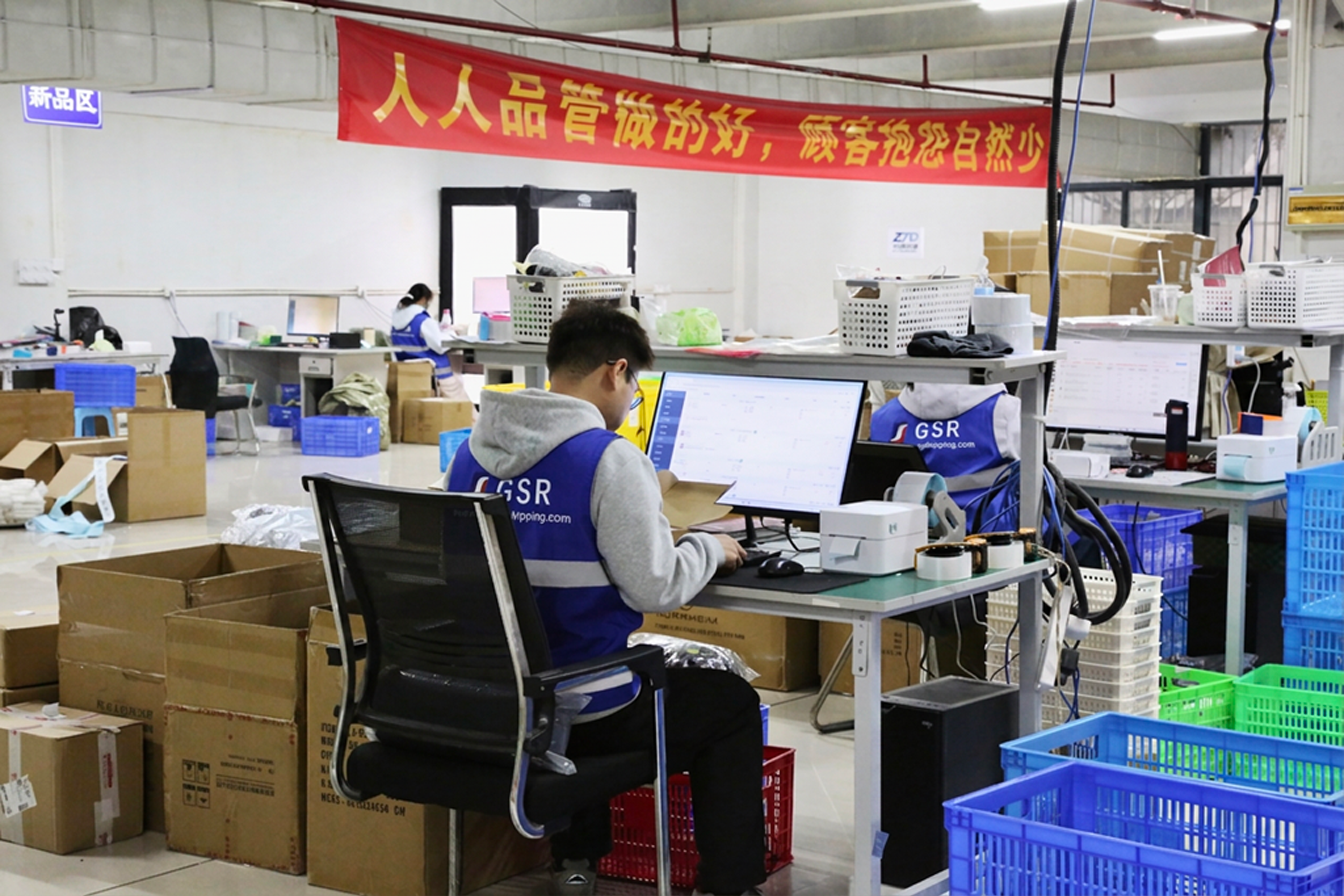
Practices That Actually Work When Implementing
Writing processes is easy; execution is harder. Several practical methods:
Start with the links that most often cause problems—inspection and packaging are usually high-risk areas for negative reviews.
Prepare simple, clear checklists for the people executing to reduce differences in subjective judgment.
Turn critical checks into mandatory pre-shipment steps, not something done “when free.”
Many sellers choose fulfillment partners with mature inspection, packaging, and logistics coordination capabilities, leaving standardized execution to more professional teams while focusing on product selection and operations. As a professional one-stop dropshipping provider, GSR Dropshipping implements systematic fulfillment standards covering order synchronization, pre-shipment inspection, standardized packaging, timely tracking updates and exception handling, helping sellers eliminate messy scattered supplier cooperation and achieve stable customer experience.
Regularly review reasons for negative reviews and refunds, then adjust standards accordingly instead of doing it once and never updating.
Standardization is a process of continuous improvement, not a one-time project.
Common Pitfalls Sellers Fall Into
- Believing “dropshipping does not require managing fulfillment yourself” and fully relying on suppliers.
- Setting standards that are too detailed and slow down shipping efficiency.
- Checking only once and never updating afterward.
- Only handling individual cases when problems occur without summarizing common issues.
- Ignoring the importance of logistics information sync.
A safer approach is to start small: cover core products and high-frequency problems first, then expand gradually.
The dropshipping industry is iterating, and customer expectations for fulfillment are rising. Continuing to rely on luck for shipping is becoming harder to support long-term business. Building reasonable fulfillment standardization is not about adding trouble—it is about making experience more stable, after-sales fewer, and growth more sustainable.
It does not need to be perfect all at once. The key is turning critical links into repeatable, checkable actions and continuously optimizing based on real situations. When you notice fewer negative reviews and fewer customer follow-ups, you will understand the value of standardized fulfillment.