


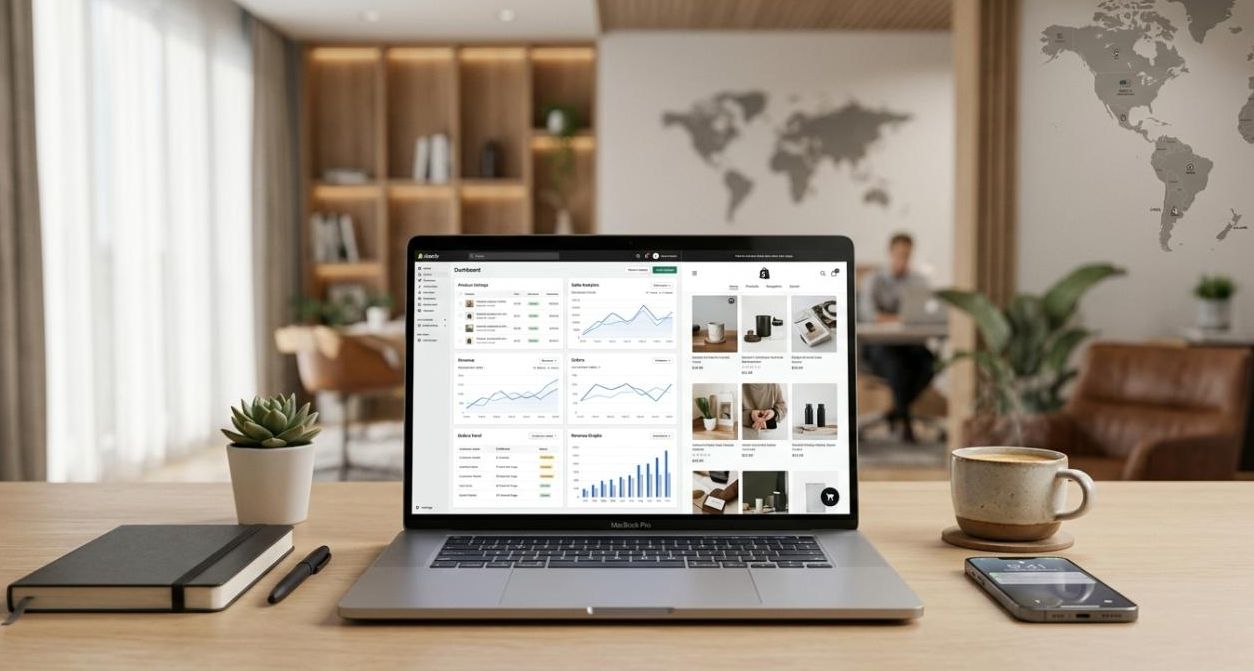
Is Shopify Dropshipping Still Profitable in 2026? Here's the Reality
For years, people have been asking the same question:
"Is Shopify dropshipping still profitable?"
Now that we're in 2026, many entrepreneurs assume the market is too saturated, advertising costs are too high, and customers have become harder to convert.
The truth is more nuanced.
Dropshipping is not dead. In fact, thousands of new Shopify stores are launched every month. What has changed is how successful stores operate.
The era of throwing random products online and expecting overnight success is over. Today's winning stores focus on branding, customer experience, fast fulfillment, and long-term growth.
In this article, we'll explore whether Shopify dropshipping is still worth starting in 2026 and why it remains one of the most attractive ecommerce business models for entrepreneurs worldwide.
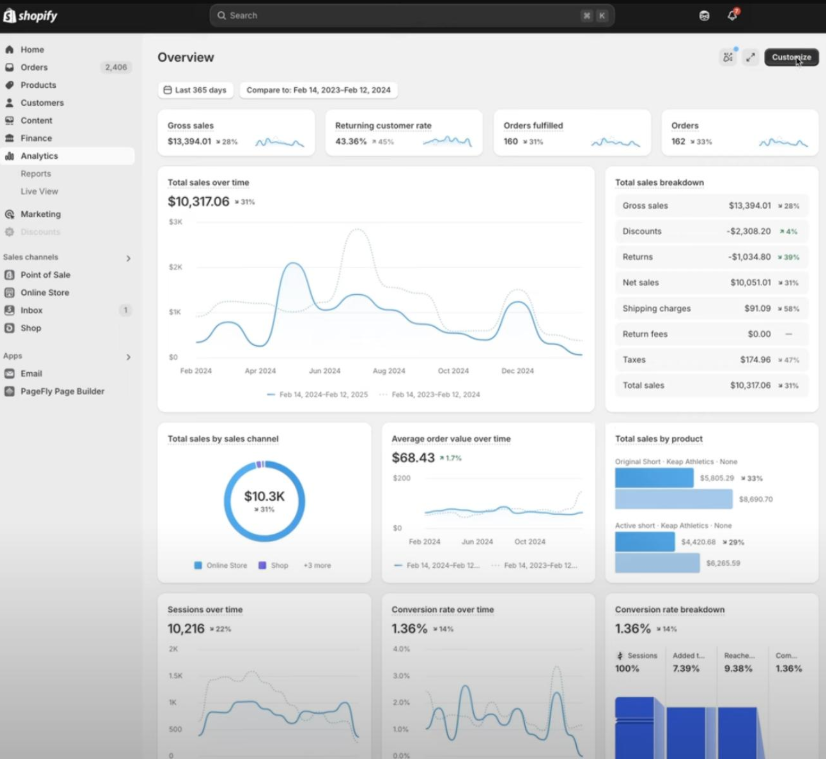
What Is Shopify Dropshipping?
Dropshipping is an ecommerce fulfillment model where store owners sell products without purchasing inventory upfront.
Instead of storing products in a warehouse, the supplier ships orders directly to customers after a purchase is made.
The process is simple:
- A customer places an order on your Shopify store.
- The order is automatically sent to your supplier.
- The supplier packs and ships the product.
- You keep the difference between the retail price and supplier cost.
Because inventory management is handled by suppliers, entrepreneurs can focus on marketing, branding, and customer acquisition.
Is Shopify Dropshipping Still Profitable in 2026?
The short answer is:
Yes, Shopify dropshipping is still profitable in 2026.
However, success depends on your product selection, supplier quality, marketing strategy, and customer experience.
Many industry experts agree that dropshipping continues to grow because ecommerce itself continues to expand globally. Consumers are purchasing more products online than ever before, creating opportunities for niche stores and specialized brands.
The biggest misconception is believing that dropshipping is a "get-rich-quick" business model.
It isn't.
Successful store owners treat dropshipping like a real business, not a side hustle lottery ticket.
Why Entrepreneurs Still Choose Shopify Dropshipping
1. Low Startup Costs
Traditional retail businesses require significant capital.
You need:
- Inventory
- Warehousing
- Packaging
- Shipping infrastructure
With dropshipping, you can start without purchasing stock in advance.
This significantly reduces financial risk and makes ecommerce accessible to first-time entrepreneurs.
2. No Inventory Management
Managing inventory is one of the most time-consuming aspects of ecommerce.
Dropshipping eliminates:
- Warehouse expenses
- Stock counting
- Inventory forecasting
- Unsold inventory risks
Your supplier handles these responsibilities while you focus on growing sales.
3. Easy to Test New Products
Product testing is critical in ecommerce.
Traditional businesses often need to purchase hundreds of units before knowing whether a product will sell.
Dropshipping allows merchants to:
- Test multiple products quickly
- Enter new niches with minimal risk
- Scale winning products faster
This flexibility remains one of the biggest advantages in 2026.
4. Global Selling Opportunities
With Shopify, businesses can sell to customers in:
- United States
- Canada
- United Kingdom
- Europe
- Australia
- New Zealand
- Nordic countries
Modern fulfillment partners now offer faster international shipping than ever before, making global ecommerce more practical and profitable.
5. Scalability
Whether you're receiving 10 orders per day or 1,000, your supplier handles fulfillment.
This means your workload doesn't increase proportionally with sales volume.
As your business grows, you can focus on:
- Marketing
- Brand building
- Customer retention
- Product expansion
Instead of packing boxes.
What Has Changed in 2026?
Dropshipping still works, but the rules have evolved.
Customers Expect Faster Shipping
Consumers are no longer willing to wait 20–40 days for delivery.
Fast fulfillment has become a competitive advantage.
Successful stores now work with suppliers that offer:
- Local warehouses
- Faster processing times
- Reliable tracking
- Stable delivery performance
Branding Matters More Than Ever
Generic stores struggle to compete.
Winning stores invest in:
- Professional website design
- Unique product pages
- Custom packaging
- Private labeling
- Strong customer support
Customers buy from brands they trust.
Advertising Costs Have Increased
Running paid ads on platforms like Meta and Google is more competitive than before.
Successful stores combine paid advertising with:
- SEO
- Content marketing
- Influencer partnerships
- TikTok organic content
- Email marketing
Diversifying traffic sources improves long-term profitability.
The Biggest Advantages of Shopify Dropshipping
Flexible Location Independence
You can manage your business from anywhere with an internet connection.
Many entrepreneurs run their stores remotely while working from:
- Home offices
- Coworking spaces
- Different countries
Lower Financial Risk
Since inventory isn't purchased upfront, financial exposure remains relatively low.
This makes dropshipping an attractive entry point for ecommerce beginners.
Faster Business Launch
Launching a traditional retail business can take months.
A Shopify dropshipping store can be operational within days.
This speed allows entrepreneurs to test ideas and enter markets quickly.
Common Mistakes New Dropshippers Make
Many beginners fail because they:
Chasing Viral Products Only
Trendy products can generate quick sales but often disappear as quickly as they appear.
Building a sustainable niche brand is usually more profitable.
Choosing Unreliable Suppliers
Poor fulfillment leads to:
- Refund requests
- Chargebacks
- Negative reviews
Supplier quality directly impacts store success.
Ignoring Customer Service
Fast response times increase trust and improve retention.
Customer experience is a competitive advantage.
Expecting Instant Results
Dropshipping is a business, not a shortcut.
Most successful stores require consistent optimization and testing before achieving meaningful profits.
Is Shopify Dropshipping Worth Starting in 2026?
For entrepreneurs willing to build a real brand, the answer is absolutely yes.
Shopify dropshipping continues to offer:
- Low startup costs
- Minimal inventory risk
- Global selling opportunities
- Flexible scalability
- Fast market entry
The business model itself remains powerful.
What no longer works is the outdated approach of creating generic stores and hoping for easy sales.
In 2026, the most successful Shopify dropshipping businesses focus on customer experience, reliable fulfillment, strong branding, and long-term growth strategies.
Those who adapt to the modern ecommerce landscape can still build highly profitable online businesses.
The opportunity is still here.
The standards are simply higher than they were a few years ago.