

Blog
- Home
- Blog


A product given as a gift passes through three separate inspections. The buyer looks at images and options at checkout. The warehouse looks at materials and process at packing.

Once payment clears, the buyer enters a period where all they can do is wait. Parcels move between warehouse, line haul, customs and last-mile delivery, each with its own rhythm. To warehouse and logistics staff, this is an ordinary handover in a routine process. To the person on the other side of the screen, it is a blank stretch with no picture at all.

During major shopping cycles, surging traffic and orders create continuous pressure on the whole dropshipping fulfillment chain. Many independent store sellers maintain stable operations in off-peak months

Dropshipping relieves merchants from upfront bulk inventory investment, yet it does not reduce accountability for quality control. Many after-sales disputes, payment chargebacks and brand reputation losses originate from inadequate sample governance

Most cross-border dropshipping merchants start product research by browsing online bestseller lists. Once a product records strong sales, it will be listed directly on Shopify stores, assuming trending items automatically fit cross-border dropshipping workflows.
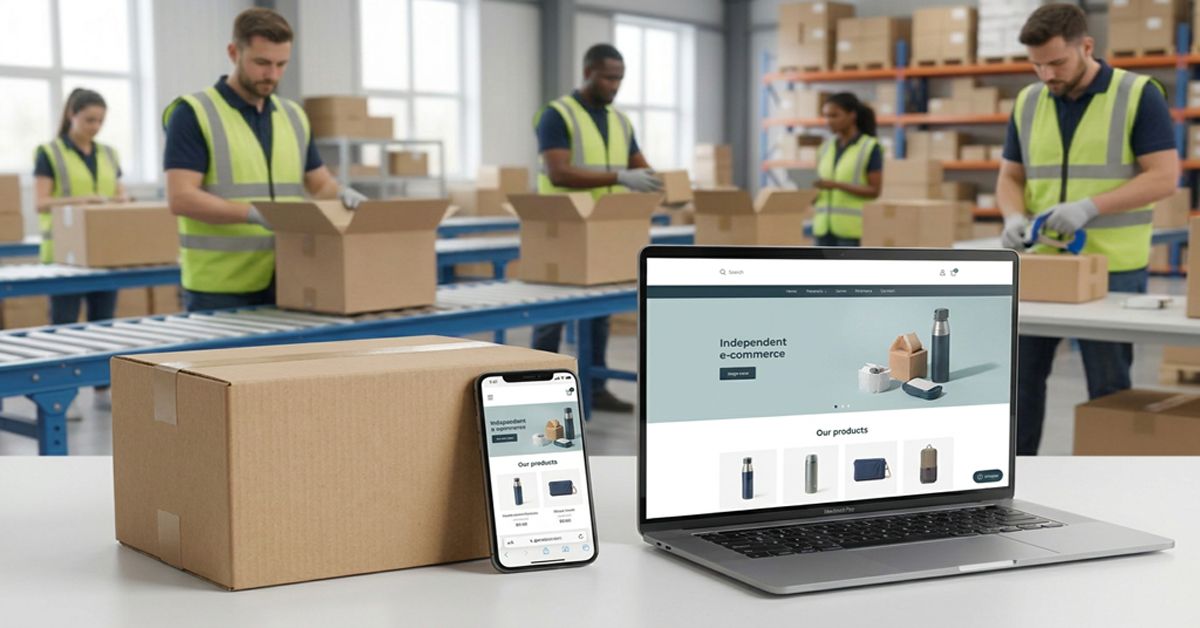
Nearly every Shopify store owner has faced this situation: ads run smoothly, website visitors keep growing, but orders fail to pick up. When checking backend data, you will find many items added to cart without final payment. Most merchants choose to cut prices or swap ad creatives to drive sales.
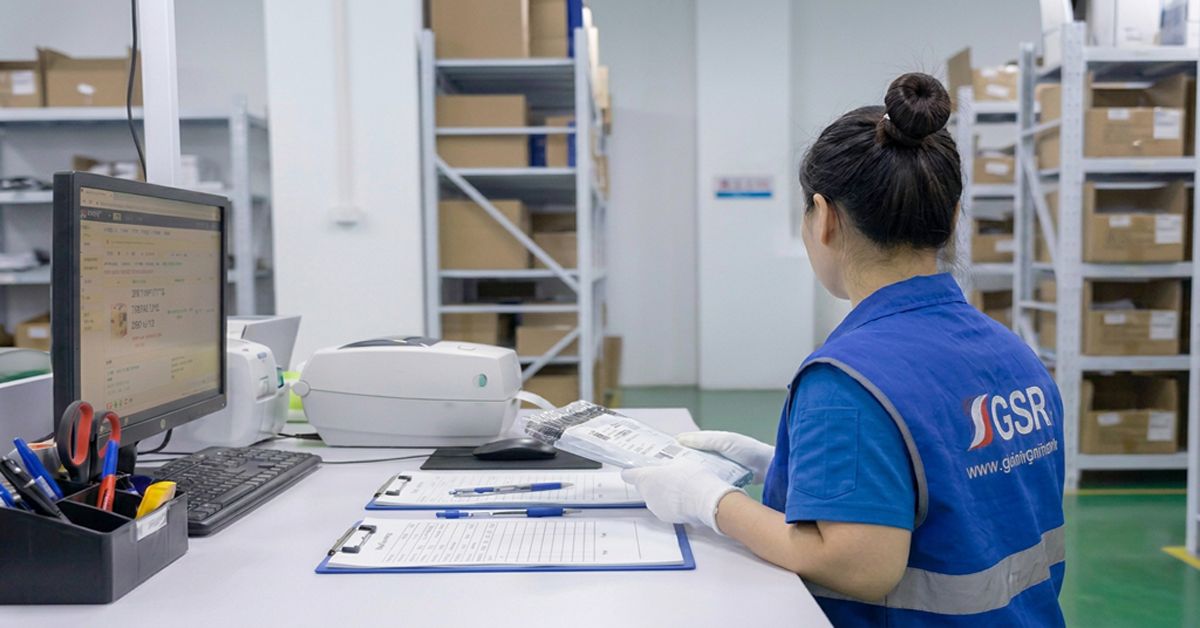
Most Shopify dropshipping operators share a common strategic flaw: overemphasizing front-end traffic acquisition while ignoring post-purchase experience optimization. Countless merchants invest the majority of resources in ad testing, creative iteration and trending product sourcing, regarding paid-order conversion as valid business growth. This traffic-dependent model generates transaction volume yet fails to build durable business value.
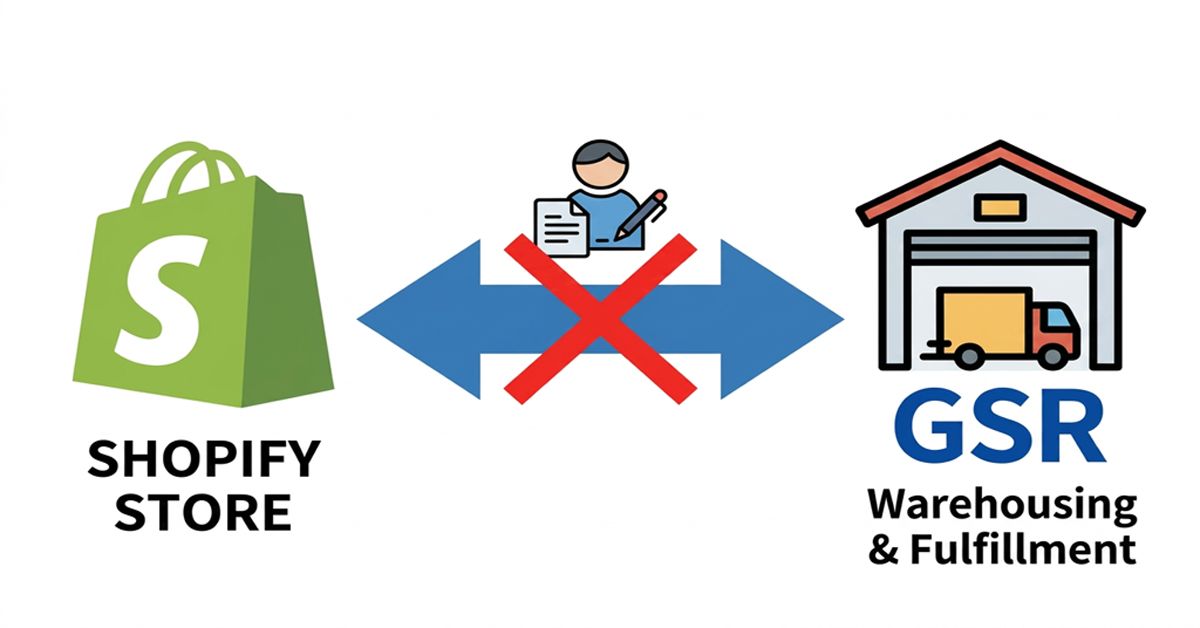
Nearly all Shopify dropshipping merchants have experienced manual order processing. I once spoke to an independent store owner whose ad campaign suddenly brought a surge of orders. He stayed up late copying and checking order details, yet address typos and incorrect SKUs still slipped through. Wrong shipments brought negative reviews and refunds. The hard-won traffic gain was ruined by back-end fulfillment issues.
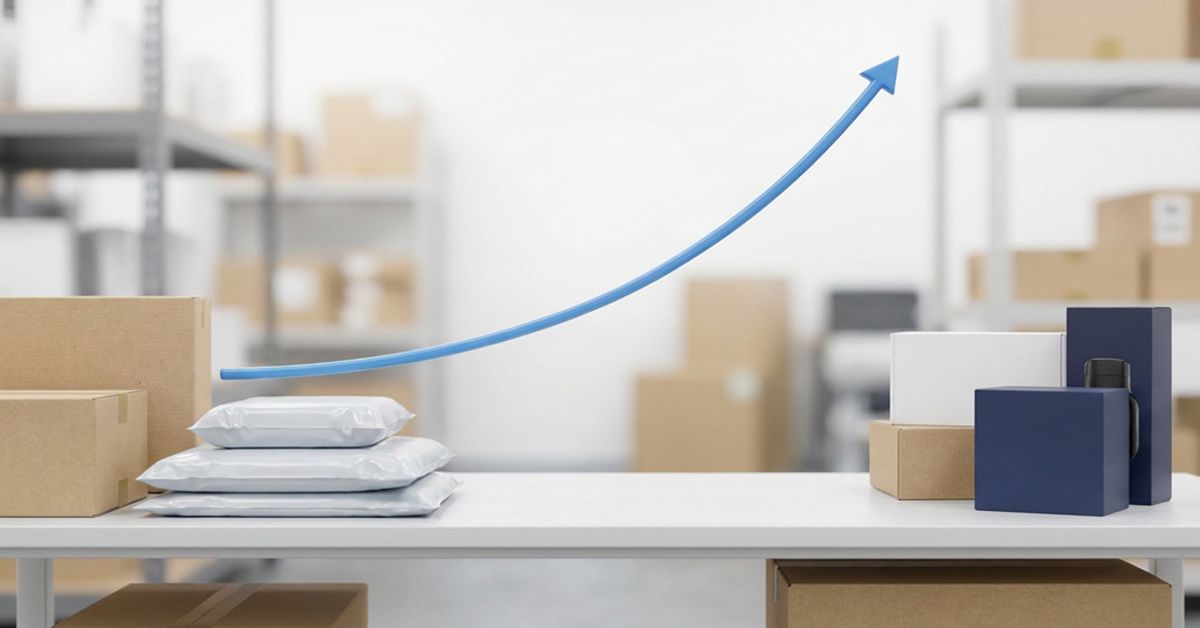
Every Shopify dropshipping merchant hopes for stable sales and steady store development. In the cross-border industry, viral products and traffic breakthroughs often bring temporary order growth, which easily makes merchants feel that their business is on the right track.
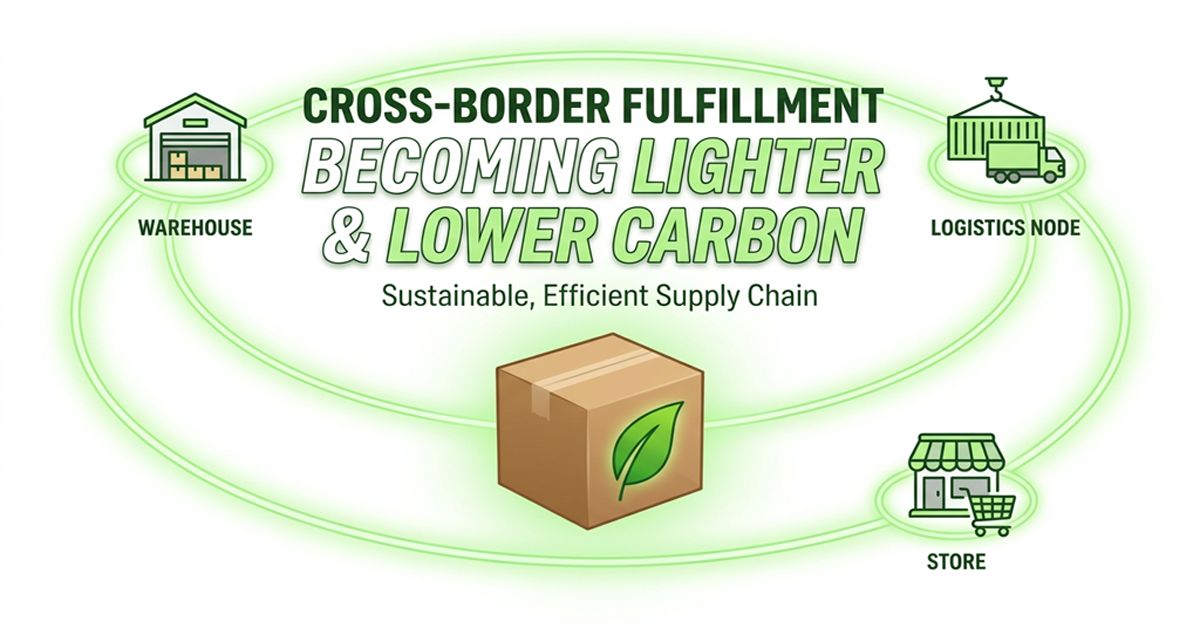
Anyone managing Shopify stores has likely spotted subtle shifts in overseas consumer behavior. A few years ago, shoppers mainly weighed product quality, pricing and delivery speed before purchasing. Today, growing numbers of international buyers also examine brands’ environmental practices. They notice overpackaging, excessive single-use plastic and waste reduction efforts. These details quietly shape purchase decisions and repeat purchase behavior.

Cross‑border dropshipping is a multi‑party cross‑domain supply‑chain system. Visible tracking results are aggregated scan data from multiple links and carriers. Many merchants regard tracking interruption as physical shipment failure and trigger mass customer replies, compensation and reshipment.
Every dropshipping merchant dreams of viral sales growth and steady order spikes. Store owners spend enormous time optimizing store pages, refining ad creatives and testing social content, hoping to achieve scalable business growth.